



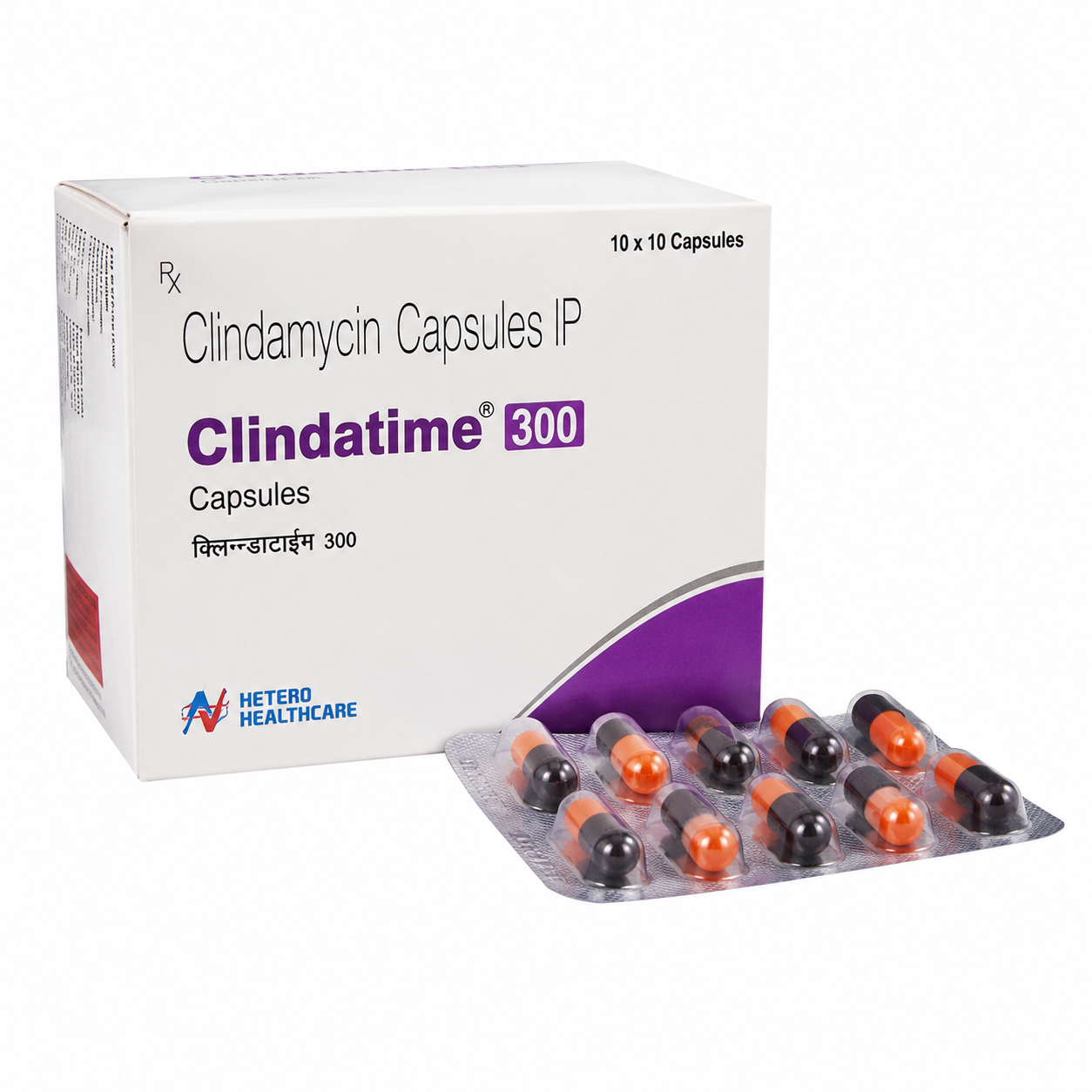
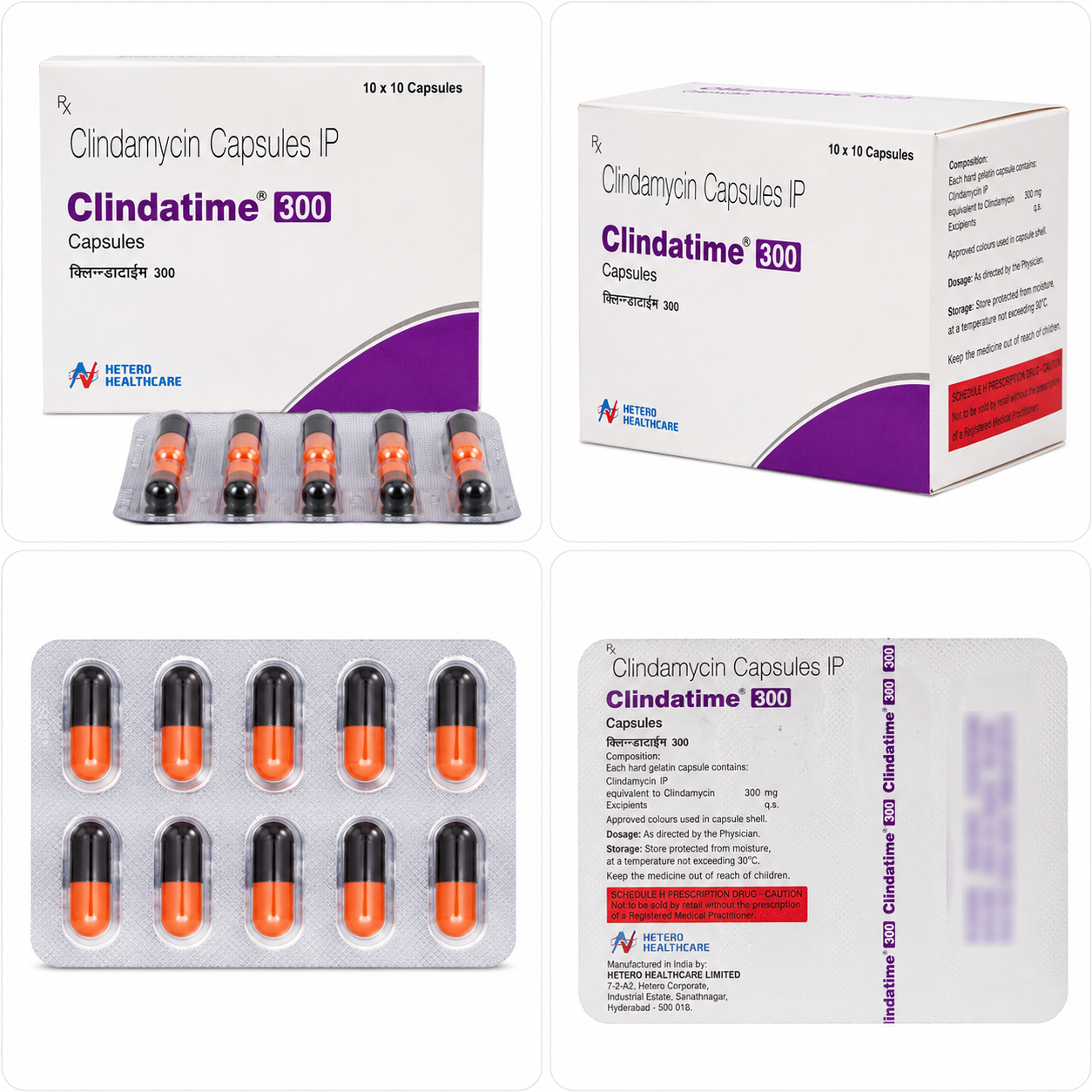
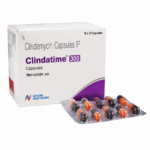
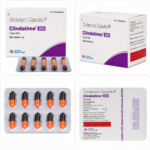

Clindatime 300 Capsule is a prescription antibacterial medicine containing Clindamycin 300 mg. It belongs to the lincosamide class of antibiotics and is used for selected bacterial infections caused by susceptible microorganisms. The product is manufactured by Hetero Healthcare and is supplied as Clindamycin Capsules IP.
Clindamycin works by interfering with bacterial protein production, thereby slowing or stopping the growth of susceptible bacteria. It is generally prescribed when the treating healthcare professional considers it appropriate based on the type of infection, its severity, bacterial susceptibility and the patient’s medical history.
For more prescription healthcare products, visit the 24x7Pharma online pharmacy and verify the product details against your prescription before ordering.
Buy Clindatime 300 Capsule Online
If your doctor has prescribed Clindatime 300 Capsule, you can review its composition, therapeutic category, precautions and usage information before purchasing it from 24x7Pharma. This medicine contains Clindamycin 300 mg and is intended for selected bacterial infections where an appropriate antibiotic is required.
Before ordering Clindamycin 300 mg Capsule, confirm the exact strength, dosage form and quantity mentioned in your prescription. Antibiotics should not be selected only on the basis of symptoms because fever, swelling, throat discomfort, skin problems and other signs may have different causes.
If the received medicine does not match your prescription, consult the pharmacy or your healthcare provider before taking it.
Explore the prescription medicine collection at 24x7Pharma for other healthcare products and prescription treatments.
What is Clindatime 300 Capsule?
Clindatime 300 Capsule is an oral antibiotic containing Clindamycin 300 mg. It belongs to the lincosamide group of antibacterial medicines and is used to treat selected bacterial infections caused by susceptible organisms.
Clindamycin is not a general-purpose medicine for every infection. Doctors consider factors such as the suspected bacterial organism, site of infection, severity of symptoms, previous antibiotic use, allergy history and the availability of other suitable antibiotics before prescribing it.
For reliable patient-oriented information, you may read the Clindamycin drug information from MedlinePlus.
Clindatime 300 Capsule Composition
Each Clindatime 300 Capsule contains:
- Active Ingredient: Clindamycin
- Strength: 300 mg
- Dosage Form: Hard gelatin capsule
- Therapeutic Class: Lincosamide antibiotic
- Product Type: Prescription antibacterial medicine
- Pack Shown: 10 × 10 Capsules
The product label identifies the medicine as Clindamycin Capsules IP. Always check the supplied packaging for complete excipient details and the exact formulation applicable to the product received.
Key Highlights of Clindatime 300 Capsule
- Contains Clindamycin 300 mg.
- Prescription lincosamide antibiotic.
- Used for selected susceptible bacterial infections.
- Works by inhibiting bacterial protein synthesis.
- Not effective against viral infections.
- Should be taken only according to a doctor’s prescription.
- Requires special caution in patients with previous antibiotic-associated colitis.
- Capsule should be swallowed with adequate water.
- Patients should report severe or persistent diarrhoea promptly.
- Complete the prescribed course unless the doctor changes the treatment.
What is Clindamycin?
Clindamycin is a semi-synthetic antibacterial medicine belonging to the lincosamide class. It is active against selected Gram-positive bacteria and anaerobic organisms that are susceptible to the medicine.
Clindamycin may be used for certain serious infections involving the skin, soft tissues, bones, joints, respiratory tract, abdomen, pelvis and other body sites. The exact indication depends on the bacterial organism and the clinical judgment of the treating doctor.
Clindamycin is sometimes selected for patients who cannot use certain other antibiotics, including situations where a penicillin-type antibiotic may not be suitable. However, this does not mean it is automatically the best option for every patient with a bacterial infection.
Antibiotic selection should ideally be based on culture and sensitivity testing when available, particularly in serious, recurrent or treatment-resistant infections.
How Does Clindatime 300 Capsule Work?
Clindatime 300 Capsule works through its active ingredient Clindamycin.
Clindamycin binds to the 50S subunit of bacterial ribosomes. Ribosomes are structures responsible for producing proteins that bacteria need for growth, repair and survival.
By interfering with bacterial protein synthesis, Clindamycin prevents bacteria from producing essential proteins. This slows or stops bacterial growth and helps the immune system control the infection.
Its antibacterial effect depends on the susceptibility of the organism and the concentration of medicine reaching the infection site.
Mechanism of Action
- Clindamycin reaches susceptible bacterial cells.
- It binds to the bacterial 50S ribosomal subunit.
- It interferes with bacterial protein synthesis.
- Essential bacterial proteins are not produced normally.
- Bacterial growth and multiplication are inhibited.
- The body’s immune system can then help clear the infection.
Clindatime 300 Capsule Uses
Clindatime 300 Capsule uses are associated with selected bacterial infections caused by organisms susceptible to Clindamycin. The medicine should only be prescribed when the doctor considers the expected benefit appropriate for the patient’s condition.
1. Serious Skin and Soft Tissue Infections
Clindamycin may be used for selected bacterial infections affecting the skin and soft tissues, including certain abscesses, cellulitis and other serious infections caused by susceptible bacteria.
Not every skin infection requires oral antibiotics. Some conditions may be viral, fungal, inflammatory or require drainage or another type of treatment. A healthcare professional should determine the cause before prescribing Clindamycin.
2. Bone and Joint Infections
Clindamycin may be prescribed for certain bone and joint infections caused by susceptible organisms. These infections often require prolonged medical evaluation, imaging, laboratory tests and sometimes combination treatment.
The duration and choice of antibiotic depend on the infection site, severity, culture results and the patient’s response to treatment.
3. Dental and Oral Bacterial Infections
In selected cases, Clindamycin may be prescribed for serious dental or oral bacterial infections when the treating dentist or doctor considers it appropriate.
It should not be used for ordinary tooth pain without dental evaluation because dental pain may be caused by cavities, nerve inflammation, trauma or conditions requiring dental procedures rather than antibiotics alone.
4. Respiratory Tract Infections
Clindamycin may be used for selected serious bacterial respiratory infections caused by susceptible organisms. It is not intended for common viral cold, influenza or most uncomplicated viral throat infections.
Examples of serious infections where Clindamycin may be considered include selected anaerobic respiratory infections, depending on medical assessment.
5. Intra-Abdominal Infections
Clindamycin may form part of treatment for certain serious intra-abdominal infections involving susceptible anaerobic bacteria. Such infections require careful diagnosis and may require additional antibiotics or surgical management.
6. Pelvic and Female Genital Tract Infections
In selected clinical situations, Clindamycin may be used for bacterial infections involving the female pelvic or genital tract. Treatment selection depends on the suspected organism, infection severity and the physician’s assessment.
7. Other Susceptible Bacterial Infections
Depending on the diagnosis and microbiological findings, Clindamycin may be used for other serious bacterial infections where the organism is susceptible and the doctor considers it suitable.
Clindamycin should not be used simply because a person has fever, swelling or pain. The infection must be appropriately evaluated before treatment.
Benefits of Clindatime 300 Capsule
The main benefit of Clindatime 300 Capsule is its antibacterial activity against selected susceptible bacteria. It provides an oral treatment option when Clindamycin is considered clinically appropriate by a healthcare professional.
- Helps inhibit the growth of susceptible bacteria.
- May be prescribed for selected serious bacterial infections.
- Acts by interfering with bacterial protein synthesis.
- May be useful against certain Gram-positive and anaerobic organisms.
- Provides an oral antibiotic option when clinically indicated.
- May be used in selected infections involving skin, soft tissue, bone, respiratory tract or other sites.
These benefits depend on correct diagnosis, bacterial susceptibility, appropriate dose selection and adherence to the prescribed treatment plan. Clindamycin should not be used for infections caused by viruses.
How to Take Clindatime 300 Capsule?
Take Clindatime 300 Capsule exactly as prescribed by your doctor. Swallow the capsule whole with a full glass of water. Do not crush, chew or open the capsule unless specifically instructed by a healthcare professional.
Taking the capsule with adequate water helps reduce the risk of irritation of the throat or oesophagus. It is generally advisable not to lie down immediately after taking the capsule.
Take the medicine at evenly spaced times as directed. The frequency and duration depend on the type and severity of infection and your doctor’s prescription.
Do not take more capsules than prescribed, even if symptoms are severe. An increased dose does not necessarily improve treatment and may increase the risk of adverse effects.
For patient-friendly administration information, refer to the Clindamycin oral capsule instructions.
Clindatime 300 Capsule Dosage
The dosage of Clindatime 300 Capsule must be decided by the treating doctor. There is no single dose suitable for every patient because dosage depends on the infection and individual clinical factors.
The doctor may consider:
- Type of bacterial infection
- Severity and location of infection
- Patient’s age
- Medical history
- Previous antibiotic exposure
- Presence of liver disease
- Ability to tolerate oral medicines
- Culture and sensitivity results
- Response to treatment
Do not increase the dose, reduce the dose or extend treatment duration without medical advice. Antibiotic treatment should be completed according to the prescribed schedule unless the doctor advises otherwise.
Missed Dose
If you miss a dose of Clindatime 300 Capsule, take it when you remember unless it is almost time for the next scheduled dose.
If the next dose is near, skip the missed dose and continue with your regular schedule. Do not take two capsules together to compensate for a missed dose.
If you frequently forget doses, inform your healthcare provider because inconsistent antibiotic use may reduce treatment effectiveness and contribute to bacterial resistance.
Clindatime 300 Capsule Overdose
Taking more Clindamycin than prescribed may increase the risk of side effects, including gastrointestinal problems and other adverse reactions.
If you suspect an overdose, contact your doctor, pharmacist or emergency medical service immediately. Do not wait for symptoms to become severe.
Never take extra capsules to compensate for a missed dose.
Side Effects of Clindatime 300 Capsule
Like other antibiotics, Clindatime 300 Capsule may cause side effects. Some effects are mild and temporary, while others require immediate medical attention.
Common or Less Serious Side Effects
- Nausea
- Vomiting
- Stomach discomfort
- Abdominal pain
- Unpleasant or metallic taste
- Joint discomfort
- Mild skin rash
Inform your doctor if these symptoms persist, become severe or interfere with normal activities.
Serious Side Effects
- Severe or persistent diarrhoea
- Watery or bloody stools
- Severe abdominal cramps
- Fever with diarrhoea
- Severe skin rash
- Blistering or peeling skin
- Facial or throat swelling
- Difficulty breathing or swallowing
- Yellowing of the skin or eyes
- Reduced urine output
Important Warning: Clindamycin-Associated Diarrhoea
Clindamycin can alter the normal bacterial balance in the large intestine and may allow harmful bacteria such as Clostridioides difficile to multiply excessively.
This can cause antibiotic-associated diarrhoea, which may range from mild symptoms to severe inflammation of the colon. In some cases, the condition can be life-threatening.
Contact your doctor immediately if you develop:
- Frequent watery diarrhoea
- Bloody stools
- Severe abdominal cramps
- Persistent diarrhoea
- Fever associated with diarrhoea
- Diarrhoea that begins after finishing the antibiotic
Do not self-treat severe diarrhoea with anti-diarrhoeal medicines without consulting your doctor. Clindamycin-associated colitis requires appropriate medical evaluation.
The official Clindamycin capsule prescribing information specifically highlights this serious safety warning.
Warnings and Precautions
Before taking Clindatime 300 Capsule, inform your doctor about your complete medical history and all medicines you are currently using.
- Tell your doctor if you have previously developed severe diarrhoea after antibiotics.
- Inform your doctor if you have colitis or inflammatory bowel disease.
- Tell your doctor if you have liver disease.
- Inform your doctor about previous allergy to Clindamycin or Lincomycin.
- Do not use for viral infections.
- Do not share antibiotics with other people.
- Do not stop treatment without medical advice.
- Report severe diarrhoea immediately.
- Inform your doctor if you are pregnant or breastfeeding.
- Tell your doctor about all prescription and non-prescription medicines.
- Use only for the infection for which it was prescribed.
Drug Interactions with Clindatime 300 Capsule
Clindamycin may interact with certain medicines or affect the action of medicines that influence neuromuscular transmission. Inform your doctor and pharmacist about all medicines, supplements and herbal products you are taking.
Medicines requiring particular caution may include:
- Erythromycin
- Other antibiotics affecting bacterial protein synthesis
- Neuromuscular blocking agents
- Medicines used during surgery or anaesthesia
- Other prescription medicines requiring specialist review
Do not start or stop any medicine without consulting your healthcare professional. Your doctor may adjust treatment depending on your medical history and concurrent medicines.
Clindatime 300 Capsule During Pregnancy
Inform your doctor if you are pregnant, planning pregnancy or may be pregnant before taking Clindatime 300 Capsule.
Clindamycin should be used during pregnancy only when the treating physician considers it medically appropriate. The doctor will evaluate the severity of the infection, potential benefits and available treatment alternatives.
Do not discontinue an essential antibiotic treatment without consulting your doctor.
Clindatime 300 Capsule During Breastfeeding
If you are breastfeeding, inform your doctor before taking Clindamycin. Your healthcare provider will assess the need for treatment and advise you according to your medical condition and the prescribed regimen.
Do not make independent changes to breastfeeding or antibiotic treatment without medical advice.
Clindamycin in Liver Disease
Patients with liver disease should inform their doctor before taking Clindatime 300 Capsule. Depending on the severity of liver impairment and the duration of treatment, the doctor may consider additional monitoring or treatment adjustments.
Do not use this medicine without informing your healthcare provider about existing liver problems.
Use in Children
Clindatime 300 Capsule should be given to children only when prescribed by a qualified pediatrician. The dosage and dosage form depend on the child’s age, body weight, infection severity and ability to swallow capsules safely.
Do not give an adult-strength capsule to a child without specific medical instructions.
Use in Elderly Patients
Elderly patients may be more likely to have underlying medical conditions or use multiple medicines. The doctor may review the patient’s medical history, liver function, hydration status and other medicines before prescribing Clindamycin.
Alcohol and Lifestyle Considerations
Discuss alcohol consumption with your healthcare provider while being treated for a bacterial infection. If you experience nausea, dizziness or stomach discomfort, avoid activities that worsen these symptoms.
Maintain adequate fluid intake unless your doctor has advised fluid restriction. If diarrhoea develops, contact your doctor promptly, especially if it is severe, persistent or associated with abdominal cramps or fever.
Storage Instructions
- Store Clindatime 300 Capsule according to the manufacturer’s instructions.
- Keep the capsules in their original packaging.
- Protect from excessive heat and moisture.
- Keep away from direct sunlight.
- Do not use after the expiry date.
- Keep out of reach of children.
- Do not use damaged or improperly stored capsules.
When Should You Contact Your Doctor?
Contact your healthcare provider if symptoms do not improve within the expected period, become worse or return after treatment.
Seek immediate medical attention if you develop severe diarrhoea, bloody stools, severe abdominal pain, facial swelling, difficulty breathing, blistering skin, yellowing of the eyes or other serious symptoms.
Frequently Asked Questions
1. What is Clindatime 300 Capsule used for?
Clindatime 300 Capsule is used for selected bacterial infections caused by susceptible bacteria, as prescribed by a healthcare professional.
2. What is the composition of Clindatime 300 Capsule?
It contains Clindamycin 300 mg.
3. What type of antibiotic is Clindamycin?
Clindamycin is a lincosamide antibiotic that interferes with bacterial protein synthesis.
4. Is Clindatime 300 effective against viral infections?
No. Clindamycin does not treat viral infections such as common cold or influenza.
5. Can I take Clindatime 300 without a prescription?
No. It is a prescription antibiotic and should be used only under medical supervision.
Why Buy Clindatime 300 Capsule from 24x7Pharma?
When purchasing prescription antibiotics, it is important to verify the exact medicine name, strength, composition and dosage form prescribed by your healthcare professional. 24x7Pharma provides a platform to explore prescription medicines with relevant product information.
Before ordering Clindatime 300 Capsule, confirm that the product matches your prescription. Check the packaging, expiry date, manufacturer information and capsule strength after receiving the order.
For more prescription medicines and healthcare products, visit the 24x7Pharma online pharmacy.
Medical Disclaimer
Disclaimer: Clindatime 300 Capsule is a prescription antibiotic medicine. The information provided on this page is intended for general educational and product-information purposes only and should not replace professional medical advice, diagnosis or treatment.
Clindamycin may cause serious antibiotic-associated diarrhoea and colitis in some patients. Use this medicine only under the supervision of a qualified healthcare professional. Do not self-medicate, share antibiotics or change the prescribed dose without medical advice.
Always verify the actual product label, composition, strength, manufacturer details, packaging and expiry date before use.