



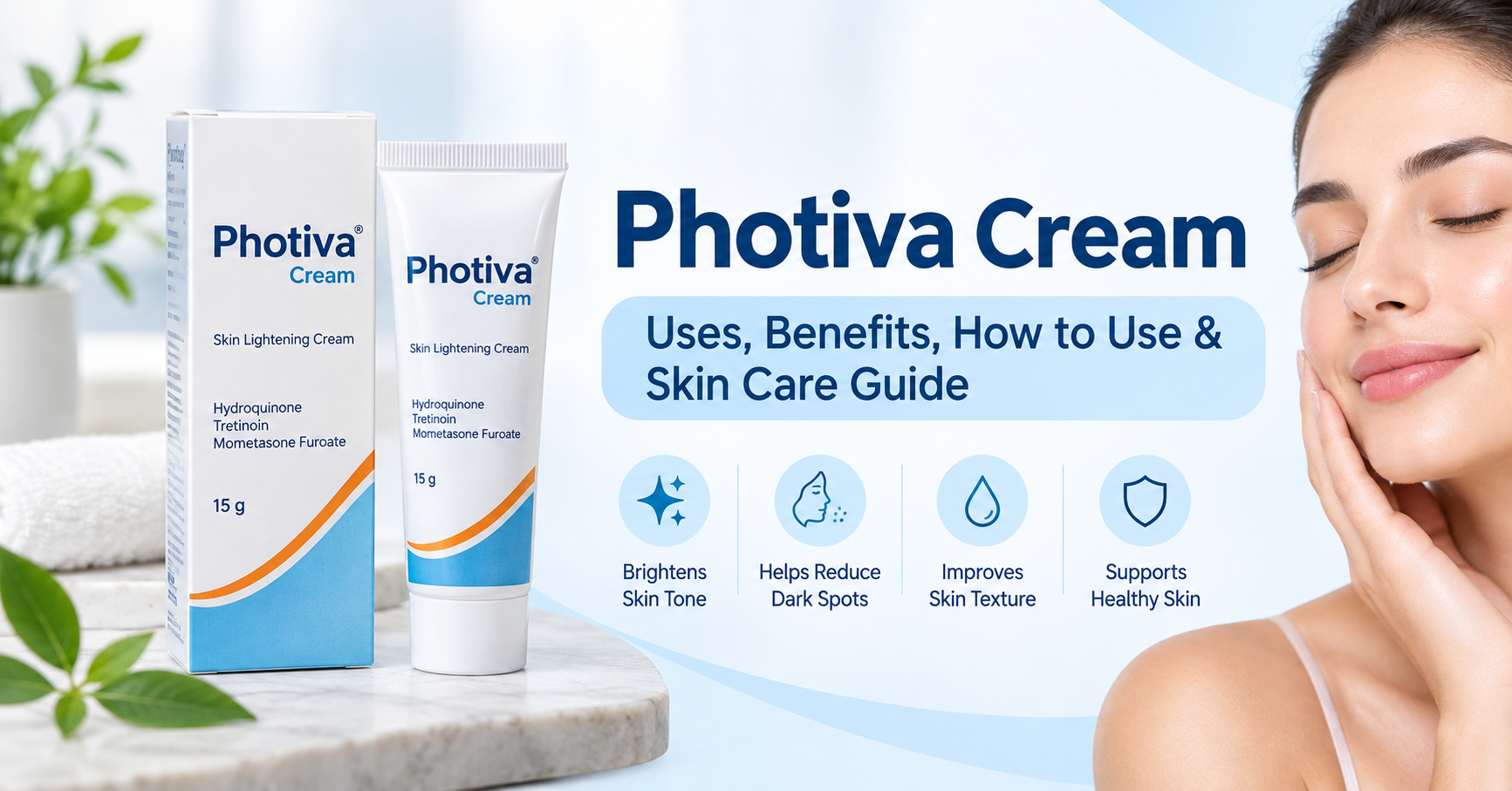
Choosing a suitable moisturizer is an important part of everyday skin care. Photiva Cream is presented as a moisturizing skincare product for people who want to manage everyday dryness and maintain skin hydration. Along with regular moisturizing, gentle cleansing and appropriate sun protection can help support healthy-looking skin.
This guide explains Photiva Cream uses, its intended moisturizing benefits, general application advice and practical skincare habits. It also discusses common causes of dry skin, precautions and situations in which professional dermatological advice may be necessary.
What Is Photiva Cream?
Photiva Cream is a skincare cream marketed for everyday moisturization and dry skin care. It may be considered as part of a routine intended to maintain hydration and improve the appearance of dry, rough or flaky skin.
The outermost layer of the skin acts as a protective barrier. It helps retain water while limiting exposure to external irritants. However, environmental conditions, excessive cleansing and other factors can disrupt this balance. As a result, skin may lose moisture and become uncomfortable.
Moisturizing products play an important role in managing everyday dryness. Their effectiveness depends on the ingredients they contain, how they are formulated and how consistently they are used.
Before adding Photiva Cream to your routine, check its original packaging for the complete ingredient list, intended application areas and manufacturer-recommended directions.
Photiva Cream Uses for Everyday Skin Care
Photiva Cream is intended for moisturizing care. Its suitability for specific skin concerns depends on the formulation and individual skin needs. The following sections explain how moisturizing products generally fit into a dry skin care routine.
1. Daily Moisturizing Care
Daily moisturization helps maintain comfortable, hydrated skin. People who experience dryness after bathing or cleansing may benefit from using a suitable moisturizer regularly.
A consistent routine is particularly important during colder months or in environments with low humidity. Instead of waiting until skin becomes visibly flaky, establish moisturizing habits that suit your skin type.
2. Care for Rough and Flaky Skin
Dryness can make the skin’s surface look uneven. Rough patches may also feel uncomfortable, especially around areas that experience frequent washing or environmental exposure.
Appropriate moisturizing can soften the appearance of dry patches and help the skin feel smoother. However, persistent scaling, redness or painful cracking may indicate a condition that needs medical attention.
3. Maintaining Skin Hydration
Hydration is essential for maintaining the skin’s normal appearance and comfort. Moisturizers use different types of ingredients to attract water, soften the skin or reduce moisture loss.
The specific moisturizing action of Photiva Cream depends on its verified formulation. Always consult the product label rather than assuming that it contains a particular active ingredient.
4. Supporting a Simple Skincare Routine
A suitable moisturizing cream can form part of a straightforward daily routine. Gentle cleansing, regular moisturizing and sun protection provide a practical foundation for everyday skin care.
People with sensitive skin should avoid introducing too many unfamiliar products simultaneously. This makes it easier to identify ingredients that may cause irritation.
Photiva Cream Benefits: Understanding Moisturizing Care
The main purpose of everyday moisturizing is to maintain skin hydration and comfort. Photiva Cream is marketed for this type of skincare use. However, individual results vary according to skin type, formulation, application and environmental conditions.
Helps Maintain a Moisturizing Routine
Consistent moisturizing can help prevent everyday dryness from becoming more uncomfortable. Applying a suitable product at appropriate intervals is an important part of managing dry skin.
Supports Softer-Looking Skin
Dryness can make skin appear dull or uneven. Proper hydration can improve the appearance of dry patches and leave the skin feeling softer.
Complements Gentle Cleansing
Washing removes dirt, sweat and other substances from the skin. However, harsh cleansers and excessive washing can also contribute to dryness.
Following gentle cleansing with an appropriate moisturizer helps establish a balanced skincare routine.
Encourages Consistent Skin Maintenance
Healthy skincare habits involve more than using a single product. Adequate moisturization, appropriate sun protection and avoiding unnecessary irritation can help maintain skin comfort over time.
What Causes Dry Skin?
Understanding the causes of dryness can help you develop a more effective skincare routine. Some causes relate to everyday habits, while others involve environmental conditions or underlying skin disorders.
Cold Weather and Low Humidity
Cold weather and dry indoor air can increase moisture loss from the skin. Many people notice roughness or tightness during winter, particularly when they spend long periods in heated rooms.
Using a suitable moisturizer and avoiding unnecessarily long, hot showers may help reduce everyday dryness.
Frequent Washing and Hot Water
Frequent washing can remove some of the natural oils that help protect the skin. Hot water may make dryness worse, especially when combined with strong cleansing products.
Use lukewarm water whenever possible. After washing, gently pat your skin dry and apply an appropriate moisturizer.
Harsh Cleansers and Excessive Exfoliation
Some soaps, scrubs and skincare products can irritate sensitive or dry skin. Excessive exfoliation may also damage the skin’s protective surface.
Choose gentle cleansing products and avoid aggressive scrubbing. If your skin becomes irritated, simplify your routine and seek professional advice when necessary.
Age and Individual Skin Characteristics
Skin characteristics change over time. Some people naturally experience more dryness than others. In addition, certain medical conditions can cause persistent dryness or irritation.
If your symptoms continue despite appropriate moisturizing, consult a dermatologist rather than repeatedly changing skincare products.
How to Use Photiva Cream
Always follow the directions provided on the original Photiva Cream packaging. The following recommendations describe general moisturizing practices and should not replace the manufacturer’s product-specific instructions.
Step 1: Cleanse Your Skin Gently
Begin by cleansing the intended application area with a mild product suitable for your skin type. Avoid harsh soaps if your skin already feels dry or sensitive.
Step 2: Pat Your Skin Dry
Use a clean, soft towel to remove excess water. Avoid rubbing your skin aggressively, as friction may increase irritation.
Step 3: Apply the Recommended Amount
Follow the manufacturer’s instructions regarding the quantity and frequency of application. Do not assume that applying more cream will produce better results.
Step 4: Spread the Product Gently
Apply the cream only to the areas recommended on its label. Spread it gently and avoid contact with the eyes unless the manufacturer specifically permits application near them.
Step 5: Monitor Your Skin’s Response
Pay attention to how your skin responds when introducing a new product. Discontinue use if significant redness, burning, itching or another unexpected reaction develops.
Morning Skincare Routine for Dry Skin
A simple morning routine can help maintain skin hydration throughout the day. You do not need numerous products to establish effective everyday skincare habits.
Start With Gentle Cleansing
Use a mild cleanser appropriate for your skin type. Avoid products that leave your skin feeling excessively tight or uncomfortable.
Apply a Suitable Moisturizer
Moisturizing after cleansing helps support the skin’s moisture balance. If you plan to use Photiva Cream, check its label to confirm that it is suitable for your intended application area.
You can review the Photiva Cream product information for its listed uses and available product details.
Finish With Sun Protection
Sun protection is an essential part of daytime skincare. The American Academy of Dermatology recommends choosing a broad-spectrum, water-resistant sunscreen with SPF 30 or higher.
Apply sunscreen according to its label and reapply as directed, particularly during prolonged outdoor exposure.
Evening Skincare Routine for Dry Skin
Your evening routine provides another opportunity to cleanse and moisturize your skin. Keep the process simple and avoid unnecessary products that may contribute to irritation.
Remove Sunscreen and Makeup
Choose a gentle cleanser that removes daily buildup without leaving your skin excessively dry. Avoid aggressive scrubbing, particularly around sensitive areas.
Moisturize After Cleansing
Apply a suitable moisturizer according to its directions. For general dry skin care, dermatologists often recommend moisturizing while the skin is still slightly damp.
Avoid Overusing Active Skincare Ingredients
Some exfoliating acids, retinoids and other skincare ingredients may cause irritation, particularly when introduced too quickly.
If your skin becomes unusually dry or sensitive, review your routine with a dermatologist before adding further products.
How to Choose a Moisturizer for Dry Skin
Not every moisturizing cream is suitable for every skin type. Texture, formulation, fragrance and individual sensitivities can influence your experience.
Review the Ingredient List
Moisturizers may contain humectants, emollients and occlusive ingredients. Humectants attract water, emollients soften the skin and occlusive ingredients help limit moisture loss.
Examples found in some moisturizers include glycerin, hyaluronic acid, ceramides, petrolatum and dimethicone. These are general skincare ingredients; their inclusion here does not mean that Photiva Cream contains them.
Consider Your Skin Type
People with very dry skin may prefer richer moisturizing formulations. Meanwhile, those with oily or acne-prone skin may prefer lighter textures that suit their individual needs.
Choose products according to their verified ingredients and intended use rather than relying solely on marketing descriptions.
Be Careful With Fragrance
Fragranced skincare products may irritate some people, especially those with sensitive skin or certain dermatological conditions.
Check the label if you have previously experienced reactions to fragranced products.
Consider Professional Advice
A dermatologist can help identify suitable products when dryness persists or occurs alongside eczema, acne, allergies or another skin condition.
Photiva Cream Precautions and Possible Side Effects
Before using Photiva Cream, review its complete ingredient list and application instructions. People with known skincare allergies should pay particular attention to the formulation.
Some topical skincare products may cause redness, itching, stinging or irritation. The risk depends on individual sensitivity and the ingredients involved.
Do not apply the cream to broken or infected skin unless its label permits this use or a qualified healthcare professional recommends it.
If you experience significant irritation, stop using the product and seek appropriate medical advice. Severe swelling, breathing difficulty or another serious allergic reaction requires urgent medical attention.
Common Dry Skin Care Mistakes to Avoid
Taking Long, Hot Showers
Very hot water and prolonged bathing can worsen dryness. Shorter showers with lukewarm water are generally more suitable for dry skin.
Using Too Many Products
Combining several new skincare products makes it difficult to identify the cause of irritation. Introduce products gradually and observe your skin’s response.
Skipping Moisturizer
Inconsistent moisturizing can make everyday dryness more difficult to manage. Develop a routine that suits your skin type and follow the product’s recommended directions.
Ignoring Persistent Symptoms
Severe itching, painful cracks, bleeding or persistent redness may indicate an underlying skin condition. Do not rely on cosmetic skincare products alone when medical assessment is necessary.
When Should You See a Dermatologist?
Many people can manage ordinary dryness through appropriate moisturizing and gentle skincare habits. However, persistent or worsening symptoms require further attention.
Consult a dermatologist if you experience severe itching, painful cracking, bleeding, recurring rashes or dryness that does not improve with suitable care.
A dermatologist can assess your symptoms, identify possible underlying conditions and recommend appropriate treatment when needed.
Where to Buy Photiva Cream Online
Before purchasing any skincare product, review its intended uses, ingredient list, application directions and expiry information. Check that the product is suitable for your skincare needs.
You can explore Photiva Cream online at 24x7Pharma to review its product listing and current availability.
Frequently Asked Questions About Photiva Cream
1. What is Photiva Cream used for?
Photiva Cream is marketed for everyday moisturizing care. Check its original packaging for its complete intended uses and application directions.
2. Is Photiva Cream suitable for dry skin?
It is presented as a moisturizing product for dry skin care. However, suitability depends on its formulation and your individual skin needs.
3. Can I use Photiva Cream daily?
Follow the manufacturer’s recommended application frequency. Seek professional advice if you have a diagnosed skin condition or develop irritation.
4. Can I apply Photiva Cream to my face?
Check the original label to confirm its recommended application areas. Facial suitability should not be assumed without reviewing the formulation.
5. Does Photiva Cream contain hyaluronic acid?
Consult the verified ingredient list on the original packaging. Do not assume that the product contains a specific ingredient without confirmation.
6. Can Photiva Cream replace sunscreen?
Do not use Photiva Cream as a sunscreen unless its original packaging confirms appropriate sun protection. Use a suitable broad-spectrum sunscreen for daytime protection.
7. Can moisturizing help rough skin?
Appropriate moisturizing can improve the appearance and feel of ordinary dry, rough skin. Persistent symptoms may require professional assessment.
8. What should I do if the cream causes irritation?
Stop using the product if significant irritation develops. Consult a healthcare professional if symptoms persist or worsen.
9. When is the best time to moisturize?
For general dry skin care, applying a suitable moisturizer after washing or bathing can help retain moisture. Follow the specific directions for your chosen product.
10. Where can I find Photiva Cream?
Visit the Photiva Cream page at 24x7Pharma for its current product listing and availability.
Conclusion
Managing dry skin starts with understanding your skin’s needs and following a consistent skincare routine. Gentle cleansing, suitable moisturizing and daily sun protection can help maintain comfortable, healthy-looking skin.
Photiva Cream is marketed as an everyday moisturizing skincare product. Before incorporating it into your routine, review its verified ingredients, application instructions and suitability for your skin type.
If dryness persists, worsens or occurs alongside significant irritation, seek advice from a qualified dermatologist.
References
- American Academy of Dermatology: Dermatologists’ Tips for Relieving Dry Skin
- American Academy of Dermatology: How to Select Sunscreen
- MedlinePlus: Dry Skin
Medical disclaimer: This article is intended for general educational purposes and does not replace professional medical advice. Always consult the original product packaging for ingredients, instructions and precautions. Seek medical advice for persistent or severe skin symptoms.