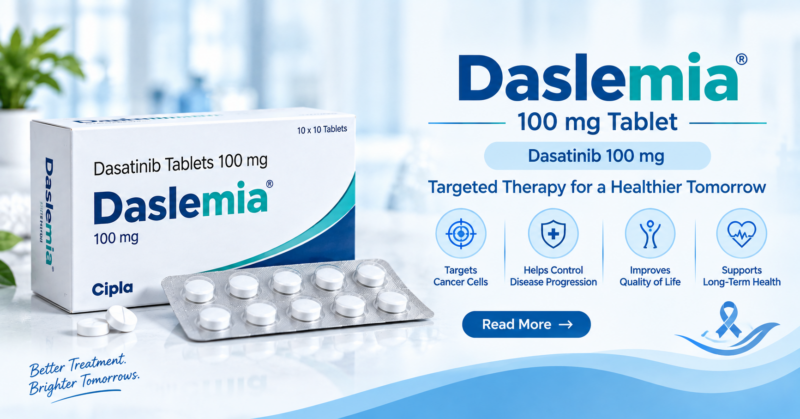




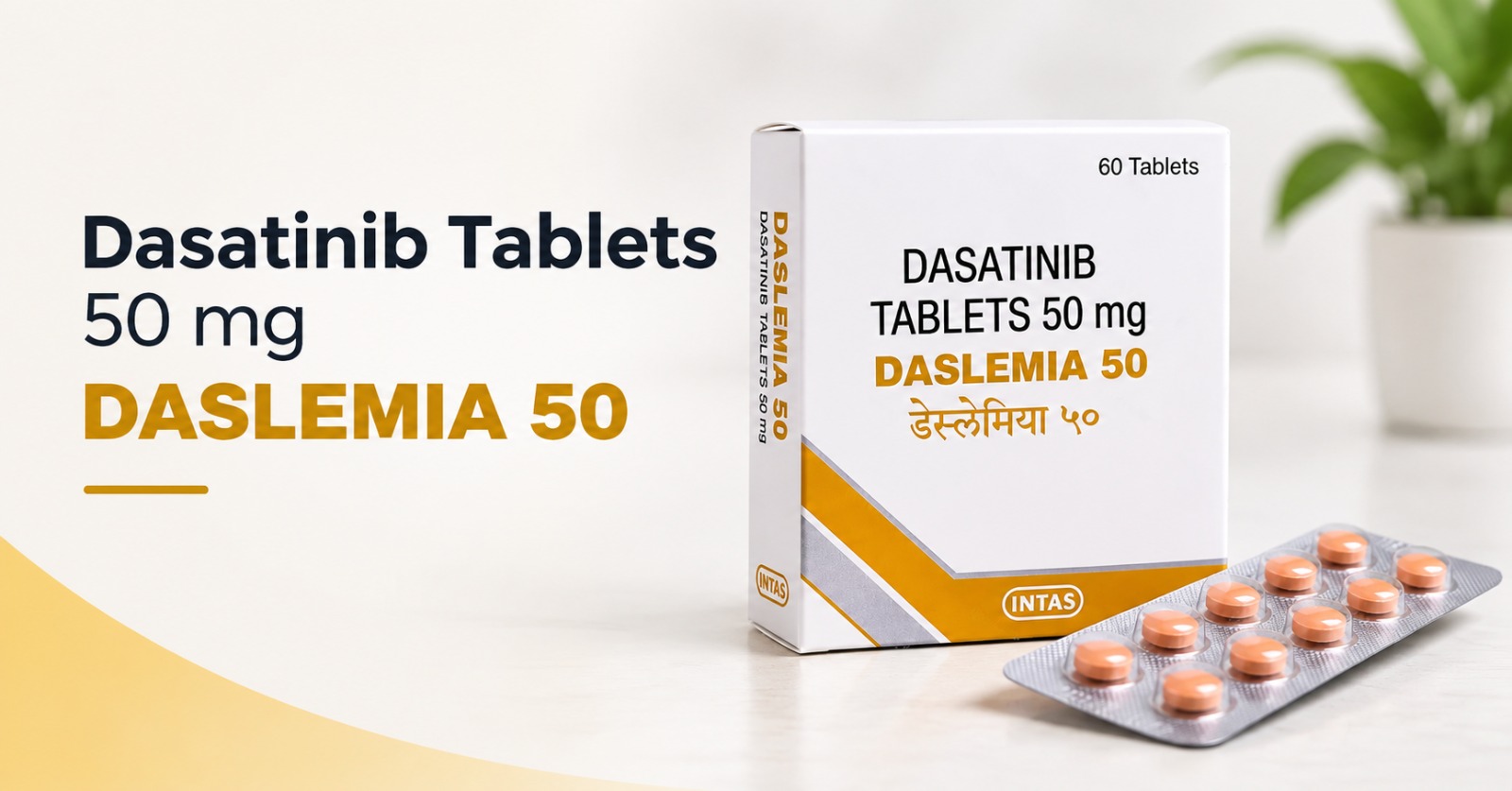
Blood cancers such as chronic myeloid leukemia and Philadelphia chromosome-positive acute lymphoblastic leukemia require carefully planned treatment under the supervision of a qualified oncologist or hematologist. Targeted medicines have become an important part of leukemia management because they are designed to act on specific molecular signals involved in abnormal blood-cell growth. Daslemia 50mg Tablet is a prescription medicine containing Dasatinib 50mg, a tyrosine kinase inhibitor used in selected leukemia treatment settings.
This medicine is not a general-purpose tablet and should not be started, stopped, or adjusted without specialist medical advice. Its use depends on the patient’s diagnosis, leukemia subtype, treatment history, laboratory findings, response to previous medicines, and the treatment plan prepared by the treating doctor.
In this detailed guide, we explain Daslemia 50mg Tablet uses, composition, how it works, therapeutic benefits, dosage considerations, possible side effects, precautions, drug interactions, monitoring requirements, and important safety information in clear and practical language.
For product-specific information, pack details, and availability, you can visit the Daslemia 50mg Tablet product page on 24x7Pharma.
What Is Daslemia 50mg Tablet?
Daslemia 50mg Tablet is an oral anticancer medicine containing Dasatinib. It belongs to a class of medicines known as tyrosine kinase inhibitors (TKIs). These medicines work by blocking specific abnormal proteins or signaling pathways that contribute to the growth and survival of certain leukemia cells.
Dasatinib is primarily associated with the treatment of selected Philadelphia chromosome-positive blood cancers, including chronic myeloid leukemia (CML) and Philadelphia chromosome-positive acute lymphoblastic leukemia (Ph+ ALL). The exact indication depends on the patient’s disease characteristics and the prescribing oncologist’s assessment.
Unlike conventional medicines used for common symptoms, Daslemia is a specialized prescription oncology medicine. It requires appropriate diagnosis, medical supervision, laboratory monitoring, and regular follow-up throughout treatment.
Daslemia 50mg Composition
The active ingredient in Daslemia 50mg Tablet is:
- Dasatinib – 50mg
Dasatinib is a targeted kinase inhibitor that acts on abnormal signaling proteins involved in the multiplication of certain leukemia cells. The 50mg strength is one of several available strengths of dasatinib and may be used as part of an individualized treatment regimen. The strength prescribed should never be changed independently.
Active Ingredient: Dasatinib
Dasatinib is a small-molecule tyrosine kinase inhibitor. It inhibits several kinase pathways, including BCR-ABL signaling, which is associated with Philadelphia chromosome-positive leukemia. It also affects other kinases involved in abnormal cell signaling.
For scientifically reviewed information regarding the medicine’s approved uses, administration, and safety warnings, healthcare professionals can refer to the official dasatinib prescribing information.
Therapeutic Class of Daslemia 50mg
- Medicine category: Anticancer medicine
- Therapeutic class: Antineoplastic agent
- Drug class: Tyrosine kinase inhibitor
- Active molecule: Dasatinib
- Dosage form: Oral tablet
- Prescription status: Prescription-only medicine
Because Daslemia affects important cellular signaling pathways, it must be used only under the direction of a doctor experienced in leukemia treatment.
Daslemia 50mg Tablet Uses
The primary Daslemia 50mg Tablet uses are related to the treatment of specific Philadelphia chromosome-positive leukemias. It is not suitable for every type of blood cancer, and the diagnosis must be confirmed before treatment begins.
1. Philadelphia Chromosome-Positive Chronic Myeloid Leukemia
Daslemia may be prescribed for selected patients with Philadelphia chromosome-positive chronic myeloid leukemia, commonly abbreviated as Ph+ CML. CML is a blood and bone marrow cancer in which abnormal myeloid cells multiply excessively.
In CML, the Philadelphia chromosome is associated with the formation of the BCR-ABL1 fusion gene, which produces an abnormal protein that continuously sends growth signals to leukemia cells. Dasatinib targets this signaling pathway and helps suppress abnormal cell activity.
2. Selected Ph+ CML Treatment Situations
Depending on the approved indication and medical assessment, dasatinib may be used in newly diagnosed disease or in patients whose previous treatment has not worked adequately or has not been tolerated. The choice depends on disease phase, prior therapy, mutation profile, response, and other clinical factors.
3. Philadelphia Chromosome-Positive Acute Lymphoblastic Leukemia
Daslemia may also be used in selected cases of Philadelphia chromosome-positive acute lymphoblastic leukemia, or Ph+ ALL. This is a form of acute leukemia in which abnormal lymphoid cells carry the Philadelphia chromosome-associated molecular abnormality.
Ph+ ALL treatment is complex and may involve combinations of targeted therapy, chemotherapy, corticosteroids, or other treatment approaches. Dasatinib should be used only as part of the regimen selected by the treating specialist.
4. Leukemia with Resistance or Intolerance to Earlier Treatment
In certain clinical situations, Dasatinib may be considered when earlier tyrosine kinase inhibitor treatment has not produced the desired response or has caused unacceptable adverse effects. The decision requires review of the patient’s treatment history and disease status.
Daslemia should never be considered a self-selected alternative to another leukemia medicine. Switching between targeted therapies requires specialist evaluation.
How Does Daslemia 50mg Tablet Work?
Daslemia contains Dasatinib, which works by blocking abnormal tyrosine kinase signaling. In Philadelphia chromosome-positive leukemia, a genetic rearrangement leads to the formation of the BCR-ABL1 fusion gene. This gene produces an abnormal protein that continuously activates signals responsible for cell growth and survival.
Dasatinib inhibits BCR-ABL and other relevant kinase pathways. By reducing these abnormal signals, it helps limit the multiplication and survival of leukemia cells.
In simple terms, the medicine acts like a targeted signaling blocker. Instead of affecting every rapidly dividing cell in the same way as many traditional chemotherapy medicines, it is designed to interfere with specific molecular pathways that are particularly important in certain leukemia cells.
However, the response to treatment varies between individuals. The medicine does not guarantee complete remission, and its effectiveness must be evaluated through clinical examination, blood tests, molecular testing, and other investigations recommended by the oncologist.
Benefits of Daslemia 50mg Tablet
The benefits of Daslemia should be understood in the context of its approved medical role. It is not a vitamin, general health supplement, or medicine intended to improve energy in healthy individuals. Its therapeutic value comes from targeted control of abnormal kinase signaling in selected leukemia conditions.
Targeted Inhibition of Abnormal Leukemia Signaling
Dasatinib targets abnormal kinase activity associated with Philadelphia chromosome-positive leukemia. This helps interfere with the molecular signals that encourage leukemia cells to multiply.
Support in Disease Control
When prescribed for an appropriate indication, Dasatinib may help control abnormal leukemia-cell activity and support the treatment goals established by the oncology team.
Useful in Selected Treatment Plans
Dasatinib may be included in treatment plans for newly diagnosed disease, resistant disease, or disease that has not tolerated earlier therapy, depending on the specific approved indication and the patient’s clinical condition.
Monitoring-Based Treatment Response
One important advantage of targeted leukemia therapy is that treatment response can be assessed using disease-specific investigations, including complete blood counts and molecular tests such as BCR-ABL monitoring when clinically appropriate.
For further educational information about dasatinib in cancer treatment, readers may consult the National Cancer Institute’s dasatinib information.
Daslemia 50mg Dosage and Administration
The dosage of Daslemia is individualized by the treating oncologist. There is no single dose that is appropriate for every patient because the recommended regimen can vary according to leukemia type, disease phase, age, body weight in pediatric treatment, previous therapy, treatment response, side effects, and other medical conditions.
Patients should take Daslemia exactly as prescribed. Do not increase the dose, reduce the dose, skip repeated doses, or discontinue treatment without consulting the treating doctor.
General Administration Guidance
- Take the tablet according to the schedule provided by your oncologist.
- Swallow the tablet whole with water.
- Do not crush, chew, or break the tablet unless specifically instructed by a healthcare professional.
- It may generally be taken with or without food according to the prescribed instructions.
- Try to take it at the same time each day if your doctor has advised a regular daily schedule.
- Do not take an additional tablet to compensate for a missed dose without medical advice.
Official dasatinib labeling describes administration with or without food and instructs patients not to crush, cut, or chew tablets. The prescribed dose itself must come from the treating specialist. See official administration information.
What to Do If You Miss a Dose?
If you miss a dose of Daslemia, follow the instructions provided by your oncologist or the patient information leaflet supplied with your medicine. Do not automatically double the next dose.
Because Dasatinib is a specialized anticancer medicine, the correct action after a missed dose may depend on how much time has passed and the treatment schedule being followed. Contact your healthcare team if you are unsure what to do.
What Happens If Too Much Daslemia Is Taken?
Taking more Daslemia than prescribed may increase the risk of serious adverse effects, including blood-cell abnormalities, bleeding, fluid retention, heart-related complications, or other toxicities.
If an overdose is suspected, seek urgent medical advice or contact an emergency medical service. Do not wait for symptoms to become severe.
Common Side Effects of Daslemia 50mg Tablet
Daslemia can cause side effects because it affects cellular signaling pathways and may also influence normal blood-cell production and other body systems. Not every patient experiences the same effects, and the severity may vary.
Reported side effects associated with dasatinib may include:
- Headache
- Nausea
- Vomiting
- Diarrhea
- Abdominal discomfort
- Fatigue
- Muscle pain
- Joint pain
- Skin rash
- Itching
- Fluid retention or swelling
- Reduced blood-cell counts
- Anemia
- Low platelet count
- Low white blood-cell count
Some side effects may be manageable with supportive treatment or dose adjustment, while others require urgent medical evaluation. Never stop oncology treatment independently because of a suspected side effect.
Serious Side Effects and Important Warnings
Dasatinib is associated with potentially serious adverse reactions. Patients and caregivers should understand warning signs and contact the treating medical team promptly when they occur.
1. Low Blood Cell Counts
Dasatinib may cause myelosuppression, resulting in reduced levels of platelets, red blood cells, or white blood cells. Low blood counts may increase the risk of infection, anemia-related weakness, or bleeding.
Regular complete blood count testing is commonly required during treatment to help the doctor identify changes early and decide whether treatment adjustments are necessary.
2. Bleeding Risk
Dasatinib may increase the risk of bleeding, particularly in patients with low platelet counts or those taking other medicines that affect blood clotting.
Seek medical attention for unusual bruising, persistent nosebleeds, blood in vomit, black stools, excessive menstrual bleeding, or other unexplained bleeding.
3. Fluid Retention and Pleural Effusion
Fluid may sometimes collect around the lungs, a condition known as pleural effusion. Symptoms may include breathlessness, chest discomfort, persistent cough, or difficulty breathing while lying down.
Any new or worsening breathing difficulty should be reported promptly to the treating doctor.
4. Pulmonary Arterial Hypertension
Rarely, dasatinib may be associated with pulmonary arterial hypertension, a condition involving increased pressure in the blood vessels supplying the lungs. Symptoms may include unexplained shortness of breath, tiredness, chest discomfort, or reduced exercise tolerance.
5. Heart Rhythm Problems
Dasatinib may affect heart rhythm in susceptible individuals, especially when combined with other medicines that prolong the QT interval or affect electrolyte balance. Your doctor should review your medical history and current medicines before treatment.
6. Severe Allergic or Skin Reactions
Seek urgent medical help if you develop severe rash, facial swelling, difficulty breathing, blistering skin, or signs of a serious allergic reaction.
The official safety labeling includes warnings related to myelosuppression, bleeding, fluid retention, pulmonary complications, and other potentially serious effects.
Precautions Before Taking Daslemia
Before starting Daslemia, inform your oncologist about your complete medical history and all medicines or supplements you are taking.
- Tell your doctor if you have a history of heart disease or abnormal heart rhythm.
- Inform your doctor about previous bleeding problems.
- Tell your doctor if you have low blood counts or a history of bone marrow disorders.
- Discuss any history of lung disease or breathing difficulties.
- Inform your doctor about liver disease or other significant medical conditions.
- Tell your doctor if you are pregnant, planning pregnancy, or breastfeeding.
- Provide a complete list of prescription medicines, OTC medicines, vitamins, and herbal products.
- Do not receive vaccinations or start new medicines without discussing them with your oncology team when relevant.
Daslemia 50mg Drug Interactions
Dasatinib can interact with several medicines and substances. Some interactions may increase Dasatinib levels, while others may reduce its effectiveness or increase the risk of serious side effects.
Medicines That Affect CYP3A4
Dasatinib is metabolized mainly through the CYP3A4 pathway. Strong CYP3A4 inhibitors may increase Dasatinib exposure, while strong inducers may reduce its concentration and potentially affect treatment response.
Medicines Affecting Heart Rhythm
Use caution with medicines that can prolong the QT interval or increase the risk of abnormal heart rhythms. Your doctor may review ECG findings and electrolyte levels when clinically appropriate.
Anticoagulants and Antiplatelet Medicines
Medicines such as anticoagulants or antiplatelet agents may increase bleeding risk when used with Dasatinib. Never start aspirin, blood thinners, or similar products without medical approval.
Acid-Reducing Medicines
Some acid-suppressing medicines and antacids may affect Dasatinib absorption. The timing and choice of these medicines should be discussed with your oncologist or pharmacist.
Grapefruit and Grapefruit Juice
Grapefruit and grapefruit juice may affect the metabolism of Dasatinib and can increase medicine exposure. Avoid grapefruit products unless your treating doctor specifically confirms that they are appropriate.
Always provide your healthcare team with a complete medication list before starting or changing treatment.
Daslemia During Pregnancy
Dasatinib may cause serious harm to an unborn baby. It should not be used during pregnancy unless the treating specialist has carefully evaluated the circumstances and determined the appropriate medical approach.
Women who may become pregnant should discuss effective contraception with their healthcare professional before and during treatment. If pregnancy occurs while taking Daslemia, contact the treating doctor immediately.
Daslemia and Breastfeeding
Breastfeeding is generally not recommended during treatment with Dasatinib because the medicine may pose a risk to the infant. Discuss feeding options with your oncologist before starting treatment.
Daslemia in Children
Dasatinib may be used in selected pediatric leukemia treatment settings under specialist supervision. Pediatric dosing is not simply the same as adult dosing and may be based on body weight, age, diagnosis, and treatment protocol.
Never give Daslemia to a child without a prescription from a pediatric oncologist or an appropriately qualified specialist.
Kidney and Liver Considerations
Patients with kidney or liver conditions should inform their doctor before taking Daslemia. Although the need for dose adjustment depends on the specific clinical situation, liver function, disease status, and other medicines may influence treatment decisions.
Do not assume that a standard dose is appropriate if you have significant liver disease or other serious medical conditions. Your doctor may recommend additional monitoring or changes in treatment.
Monitoring During Daslemia Treatment
Regular monitoring is an essential part of Dasatinib therapy. The oncologist may recommend several tests to assess treatment response and detect adverse effects early.
- Complete blood count (CBC)
- Platelet count
- Hemoglobin assessment
- White blood-cell count
- Liver function tests when indicated
- Electrolyte monitoring when appropriate
- ECG or cardiac assessment in selected patients
- Chest evaluation if breathing symptoms develop
- BCR-ABL molecular monitoring when clinically appropriate
Patients should attend all scheduled follow-up appointments even if they feel well. Leukemia treatment decisions are often based on laboratory and molecular results rather than symptoms alone.
Daslemia 50mg and Lifestyle Considerations
Patients receiving targeted cancer therapy should follow the supportive-care advice provided by their oncology team. Good nutrition, adequate hydration, infection precautions, appropriate physical activity, and sufficient rest may help support general wellbeing during treatment.
However, lifestyle measures cannot replace anticancer treatment. Do not stop or reduce Daslemia because symptoms improve or because you feel better.
Infection Prevention
If blood counts are low, the risk of infection may increase. Follow your healthcare team’s advice about hygiene, avoiding exposure to sick individuals, food safety, and when to seek medical help for fever.
Bleeding Precautions
If your platelet count is low, avoid activities that increase the risk of injury and discuss dental procedures, surgery, or new medicines with your doctor.
Hydration and Diet
Maintain adequate fluid intake unless your doctor has advised fluid restriction. If nausea, vomiting, or diarrhea occurs, inform your medical team if symptoms are persistent or severe.
Storage Instructions for Daslemia
Store Daslemia according to the instructions provided on the packaging or by your pharmacist.
- Keep the medicine in its original packaging.
- Store it away from excessive heat and moisture.
- Keep it out of reach of children.
- Do not use tablets after the expiry date.
- Do not use damaged or improperly stored medicine.
- Do not transfer tablets into unlabelled containers.
Frequently Asked Questions About Daslemia 50mg Tablet
What is Daslemia 50mg Tablet used for?
Daslemia 50mg Tablet contains Dasatinib and is used for selected Philadelphia chromosome-positive leukemia conditions, including certain cases of chronic myeloid leukemia and Ph+ acute lymphoblastic leukemia, under specialist supervision.
What is the active ingredient in Daslemia?
The active ingredient is Dasatinib 50mg, a tyrosine kinase inhibitor.
Is Daslemia a chemotherapy medicine?
Daslemia is an oral targeted anticancer medicine classified as a tyrosine kinase inhibitor. It is different from many traditional chemotherapy medicines because it targets specific signaling pathways involved in leukemia.
How does Daslemia work?
It blocks abnormal kinase signals, including BCR-ABL-related signaling, that help certain leukemia cells grow and survive.
Can Daslemia cure leukemia?
Daslemia is used to control and treat selected leukemia conditions, but treatment response varies. It should not be described as a guaranteed cure or permanent solution.
Can I change the Daslemia dose myself?
No. The dose must be determined and adjusted only by the treating oncologist based on diagnosis, response, laboratory results, and side effects.
Can Daslemia be taken with food?
Dasatinib tablets may generally be administered with or without food according to prescribing information, but follow your doctor’s exact instructions.
Should Daslemia tablets be crushed?
Daslemia tablets should generally be swallowed whole. Do not crush, chew, or break them unless specifically instructed by a qualified healthcare professional.
What are the common side effects of Daslemia?
Possible side effects include nausea, diarrhea, headache, fatigue, muscle pain, rash, fluid retention, and reduced blood-cell counts. Your doctor should be informed about persistent or severe symptoms.
Can Daslemia cause low blood counts?
Yes. Dasatinib may cause anemia, low platelets, or reduced white blood-cell counts. Regular blood tests are important during treatment.
Can Daslemia cause breathing problems?
It may cause fluid retention or pleural effusion in some patients. New or worsening breathlessness should be reported promptly to the treating doctor.
Can I take Daslemia with other medicines?
Some medicines can interact with Dasatinib. Tell your doctor about all prescription medicines, OTC products, supplements, and herbal preparations before use.
Can I drink grapefruit juice while taking Daslemia?
Grapefruit and grapefruit juice may interact with Dasatinib and should generally be avoided unless your treating doctor gives specific advice.
Is Daslemia safe during pregnancy?
Dasatinib may seriously harm an unborn baby and should not be used during pregnancy unless specifically managed by a specialist under exceptional circumstances.
Can breastfeeding continue during Daslemia treatment?
Breastfeeding is generally not recommended during Dasatinib treatment. Discuss this with your oncologist before taking the medicine.
What should I do if I miss a dose?
Follow the missed-dose instructions provided by your oncology team. Do not double the next dose without medical advice.
What should I do in case of overdose?
Seek urgent medical advice if you suspect an overdose. Do not wait for symptoms to appear.
Why are blood tests needed during Daslemia treatment?
Blood tests help monitor blood-cell counts, detect possible toxicity, and guide treatment decisions.
Can I stop Daslemia when I feel better?
No. Feeling better does not necessarily mean the disease is fully controlled. Continue treatment only as directed by your oncologist.
Where can I check product information for Daslemia 50mg Tablet?
You can review the Daslemia 50mg Tablet product listing on 24x7Pharma for product-related information and availability.
Why Buy Daslemia 50mg Tablet from 24x7Pharma?
When purchasing a specialized prescription medicine, patients and caregivers should pay attention to product authenticity, correct strength, packaging details, storage conditions, and prescription requirements. 24x7Pharma provides an online platform where customers can review medicine information and check product availability.
Before placing an order, verify the medicine name, strength, pack size, manufacturer details, and prescription requirements. Daslemia should only be purchased and used according to the treatment plan provided by a qualified healthcare professional.
Important Medical Disclaimer
This article is intended for general educational and informational purposes only. It does not replace the advice, diagnosis, or treatment plan of an oncologist, hematologist, pharmacist, or other qualified healthcare professional. Daslemia 50mg Tablet is a prescription anticancer medicine and must be used strictly under medical supervision.
Do not self-medicate, change the dose, discontinue treatment, or combine Daslemia with other medicines without consulting your treating doctor. If you experience severe breathlessness, unusual bleeding, high fever, chest pain, fainting, severe allergic symptoms, or sudden deterioration in health, seek urgent medical attention.