



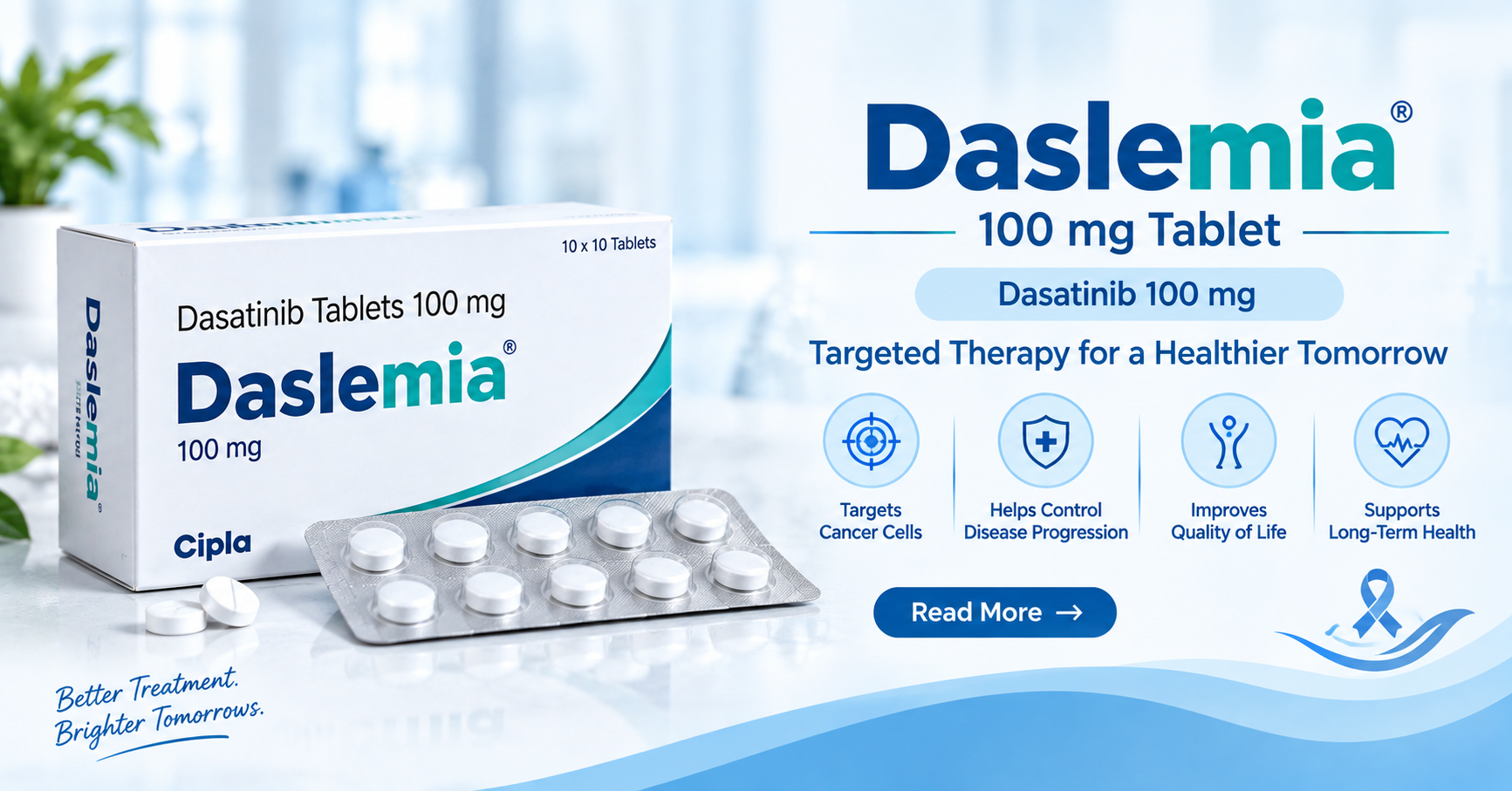
A diagnosis of leukemia often brings questions about treatment, long-term monitoring and possible side effects. Understanding the prescribed medicine can help patients communicate with their oncology team and follow their treatment plan safely.
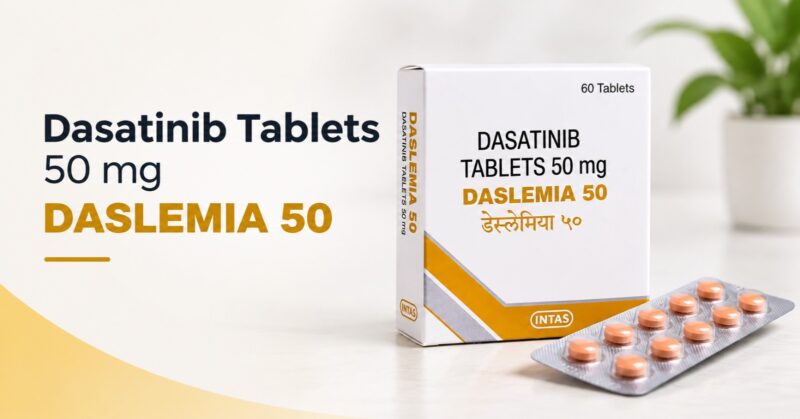
This guide explains Daslemia 100mg uses, benefits, mechanism of action, possible side effects, drug interactions and important precautions. Patients can also review the composition and packaging information on the Daslemia 100mg Tablet product page.
What Is Daslemia 100mg Tablet?
Daslemia 100mg Tablet contains Dasatinib, an oral targeted therapy used for selected types of leukemia. Intas Pharmaceuticals markets the medicine in India.
Dasatinib blocks certain enzymes that contribute to the growth and survival of leukemia cells. Unlike conventional chemotherapy, which can affect many rapidly dividing cells, targeted therapy acts on particular molecular pathways. However, Dasatinib can still cause serious adverse effects and requires specialist supervision.
Doctors consider several factors before prescribing Daslemia, including the type and phase of leukemia, previous treatment, molecular test results and the patient’s overall health.
Composition
| Product information | Details |
|---|---|
| Brand name | Daslemia |
| Active ingredient | Dasatinib |
| Strength | 100mg |
| Drug class | Tyrosine kinase inhibitor |
| Dosage form | Oral tablet |
| Pack size | 30 tablets |
| Manufacturer/marketer | Intas Pharmaceuticals Ltd |
| Prescription status | Prescription required |
Uses
Daslemia is prescribed for specific types of blood cancer. Its use depends on the diagnosis, treatment history, disease phase and applicable prescribing information.
1. Chronic Myeloid Leukemia (CML)
Chronic myeloid leukemia is a cancer that develops in the blood-forming cells of the bone marrow. Most patients have an abnormal chromosome known as the Philadelphia chromosome.
This chromosome produces the BCR-ABL1 fusion gene, which generates an abnormal tyrosine kinase protein. The protein continuously signals affected cells to grow and divide.
Dasatinib inhibits this abnormal signaling pathway. Doctors may prescribe it for eligible patients with newly diagnosed chronic-phase Philadelphia chromosome-positive CML or certain patients whose disease has not responded adequately to previous treatment.
2. Philadelphia Chromosome-Positive Acute Lymphoblastic Leukemia
Philadelphia chromosome-positive acute lymphoblastic leukemia (Ph+ ALL) is another blood cancer involving the BCR-ABL1 pathway.
Dasatinib may be used in selected patients with Ph+ ALL, including certain adults with resistance or intolerance to previous treatment. The treatment approach and dose may differ considerably from those used for chronic-phase CML.
Patients should never assume that the 100mg strength is appropriate for every form of leukemia.
How Does Daslemia 100mg Work?
Dasatinib is a BCR-ABL tyrosine kinase inhibitor. It blocks abnormal signals that promote the growth and survival of certain leukemia cells.
In Philadelphia chromosome-positive leukemia, the BCR-ABL1 fusion gene produces an abnormal protein that remains continuously active. This protein stimulates excessive cell division and contributes to the development of leukemia.
By inhibiting BCR-ABL and several other kinases, Dasatinib helps suppress the growth of susceptible leukemia cells.
Doctors assess treatment effectiveness through blood tests and molecular testing rather than relying only on improvements in symptoms.
For detailed pharmacological information, consult the official Dasatinib prescribing information.
Benefits of Daslemia 100mg Tablet
When prescribed for an appropriate diagnosis, Daslemia provides a targeted treatment option for eligible patients with Philadelphia chromosome-positive leukemia.
Targets Abnormal Leukemia Cell Signaling
Dasatinib inhibits BCR-ABL kinase activity, helping suppress the abnormal signaling responsible for the proliferation of susceptible leukemia cells.
Provides an Oral Targeted Therapy Option
Dasatinib is available as an oral tablet. This allows eligible patients to follow an outpatient treatment schedule, although regular oncology appointments and laboratory monitoring remain essential.
Supports Measurable Treatment Monitoring
In CML, oncologists can assess treatment response using blood counts and molecular tests that measure BCR-ABL1 levels. These results help guide decisions about ongoing treatment.
The clinical benefit of Dasatinib varies between patients. It is not a guaranteed cure, and some patients may require changes to their treatment plan.
How to Take Daslemia 100mg Tablet
Take Daslemia exactly as prescribed by your oncologist. Your prescribed dose depends on your diagnosis, disease phase and individual treatment requirements.
- Take the tablet at the prescribed time each day.
- Swallow the tablet whole with water.
- Do not crush, split or chew the tablet.
- Dasatinib can generally be taken with or without food.
- Do not increase, reduce or stop the prescribed dose independently.
- Attend all scheduled blood tests and oncology appointments.
Tell your healthcare team if you experience difficulty swallowing tablets. Do not alter the tablet yourself.
Daslemia 100mg Dosage
The oncologist determines the appropriate dosage according to the patient’s diagnosis and treatment response.
Official Dasatinib prescribing information lists 100mg once daily as a recommended starting dose for certain adults with chronic-phase CML. Other disease phases and indications may require different doses.
This information is provided for educational purposes. It must not be used to start treatment or modify an existing prescription.
What If You Miss a Dose?
If you miss a dose, take your next dose at the regularly scheduled time unless your oncology team has provided different instructions. Do not take two doses together to compensate for the missed dose.
What Happens If You Take Too Much?
An overdose can increase the risk of serious complications, including blood cell abnormalities and bleeding. Seek urgent medical advice if you take more than your prescribed dose.
Daslemia 100mg Tablet Side Effects
Dasatinib may cause mild, moderate or serious adverse effects. Their frequency and severity depend on the patient, dose, disease and other treatments.
Commonly Reported Side Effects
- Diarrhea
- Nausea and vomiting
- Headache
- Fatigue
- Skin rash
- Muscle or joint pain
- Fluid retention
- Abdominal discomfort
Report persistent symptoms to your oncology team. Do not independently discontinue cancer treatment because of a side effect.
Serious Side Effects and Warning Signs
Dasatinib can cause low blood cell counts, serious bleeding, fluid accumulation around the lungs, pulmonary hypertension and certain heart-related complications.
Seek urgent medical attention for severe breathlessness, chest pain, unusual bleeding, black stools, high fever, fainting or sudden deterioration in your health.
Important Precautions During Daslemia Treatment
Low Blood Cell Counts
Dasatinib may reduce white blood cells, red blood cells and platelets. These changes can increase the risk of infection, anemia and bleeding.
Your oncologist will arrange regular complete blood count tests and may adjust treatment if clinically necessary.
Fluid Retention and Breathing Problems
Dasatinib may cause fluid retention, including pleural effusion, which is fluid accumulation around the lungs.
Report new coughing, shortness of breath, chest discomfort or unexplained swelling promptly.
Heart and Lung Conditions
Tell your oncologist if you have a history of heart rhythm problems, pulmonary hypertension or significant cardiovascular disease.
Additional clinical assessment may be required before or during treatment.
Pregnancy and Breastfeeding
Dasatinib may harm an unborn baby. Patients who could become pregnant should discuss effective contraception and pregnancy planning with their oncology team.
Breastfeeding is not recommended during Dasatinib treatment. Follow the prescribing information and your specialist’s advice regarding the period after the final dose.
Daslemia 100mg Drug Interactions
Dasatinib interacts with several medicines and substances. These interactions may change drug exposure or increase the risk of adverse effects.
Acid-Reducing Medicines
Proton pump inhibitors and H2-receptor antagonists can reduce Dasatinib absorption. Patients should not start or stop these medicines without oncology advice.
If an antacid is permitted, the prescribing information generally recommends separating its administration from Dasatinib by at least two hours.
CYP3A4 Inhibitors and Inducers
Some antifungal medicines, antibiotics, anticonvulsants and other drugs affect the CYP3A4 enzyme involved in Dasatinib metabolism.
These interactions may increase toxicity or reduce treatment effectiveness. Provide your oncology team with a complete list of medicines and supplements.
Grapefruit
Avoid grapefruit and grapefruit juice during treatment because they may increase Dasatinib exposure and the risk of adverse effects.
Monitoring During Daslemia Treatment
Regular monitoring is essential during targeted leukemia treatment. Your oncology team may recommend the following investigations:
- Complete blood count and platelet count
- BCR-ABL1 molecular testing for CML
- Liver function tests when clinically indicated
- Electrolyte assessment
- Evaluation for fluid retention
- Cardiac investigations when necessary
- Regular assessment of treatment response
Some adverse effects can develop before noticeable symptoms appear. Therefore, do not skip scheduled laboratory investigations even when you feel well.
Daslemia 100mg Tablet Storage and Handling
Store Daslemia according to the instructions on the original packaging. Keep tablets in their original container and protect them from excessive heat and moisture.
Do not crush or break the tablets. Anyone handling damaged tablets should follow the precautions recommended by the oncology pharmacist.
Keep this prescription medicine away from children and people for whom it has not been prescribed.
Where to Find Daslemia 100mg Tablet
Patients with a valid prescription can review the Daslemia 100mg Tablet listing on 24x7Pharma for composition, manufacturer and pack-size information.
Before ordering, confirm that the prescribed medicine, strength and quantity match your oncologist’s instructions. Prescription verification and delivery eligibility may depend on the destination and applicable regulations.
Frequently Asked Questions About Daslemia 100mg
1. What is Daslemia 100mg used for?
Daslemia contains Dasatinib and is used for selected forms of Philadelphia chromosome-positive leukemia under specialist supervision.
2. Is Daslemia chemotherapy?
Daslemia is a targeted anticancer therapy called a tyrosine kinase inhibitor. It differs from conventional cytotoxic chemotherapy.
3. Can Daslemia treat every type of blood cancer?
No. Its use depends on the specific leukemia diagnosis, molecular characteristics and treatment setting.
4. Can Daslemia be taken with food?
Dasatinib tablets can generally be taken with or without food. Follow your prescription.
5. Can I crush Daslemia tablets?
No. Swallow the tablets whole unless your healthcare team provides an approved alternative.
6. Can Daslemia cause low platelet counts?
Yes. Dasatinib may cause thrombocytopenia and other blood cell abnormalities, making regular blood tests important.
7. Does Daslemia cause hair loss?
Hair loss can occur with some cancer treatments, but adverse effects vary. Discuss any changes with your oncology team.
8. Can I stop Daslemia when I feel better?
No. Do not discontinue treatment without your oncologist’s approval. Treatment decisions depend on clinical and molecular assessments.
9. What should I do if I miss a dose?
Take your next dose at the usual scheduled time. Do not double the dose.
10. Is Daslemia safe during pregnancy?
Dasatinib can harm an unborn baby. Pregnancy planning and contraception require specialist advice.
11. Can I drink grapefruit juice?
No. Grapefruit may increase Dasatinib exposure and the risk of adverse effects.
12. Does Daslemia require blood tests?
Yes. Blood counts and other investigations are important for monitoring treatment safety and response.
13. Can Daslemia cause breathing problems?
Yes. Fluid retention and other serious pulmonary complications can occur. Seek medical assessment for new or worsening breathlessness.
14. Can I take antacids with Daslemia?
Some antacids may be permitted with appropriate timing. Ask your oncology pharmacist before taking any acid-reducing medicine.
15. Is Daslemia 100mg suitable for children?
Dasatinib is used in selected pediatric leukemia settings, but dosing and formulation must be determined by a pediatric oncology specialist.
Medical References
- DailyMed: Dasatinib prescribing information
- MedlinePlus: Dasatinib patient information
- 24x7Pharma: Daslemia 100mg product information
Medical disclaimer: This article is intended for general educational purposes and is not a substitute for professional medical advice, diagnosis or treatment. Daslemia is a prescription anticancer medicine that requires specialist supervision. Never start, stop or modify treatment without consulting your oncologist. Seek urgent medical attention for severe bleeding, fever, breathing difficulties or other serious symptoms.