



However, no single lotion can address every cause of pigmentation. Skin type, ingredient concentration, sun exposure and individual tolerance influence results. Understanding the ingredients and using the product correctly are important parts of an effective skincare routine.
Explore the Gloriva Lotion product details at 24x7Pharma for additional information.
What Is Gloriva Lotion?
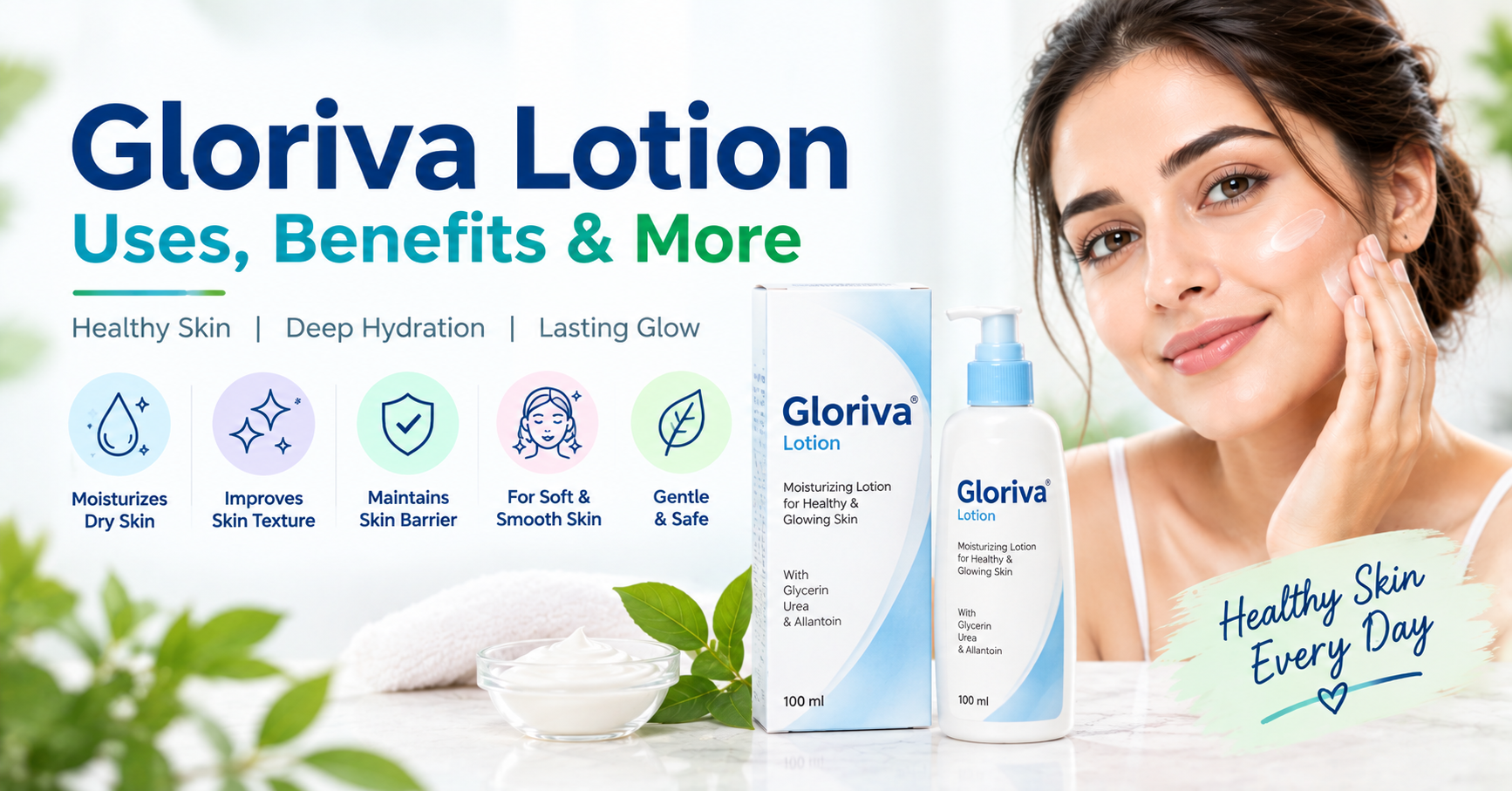
Gloriva Lotion is a topical skincare formulation intended to support skin hydration and improve the appearance of dullness, rough texture and uneven skin tone.
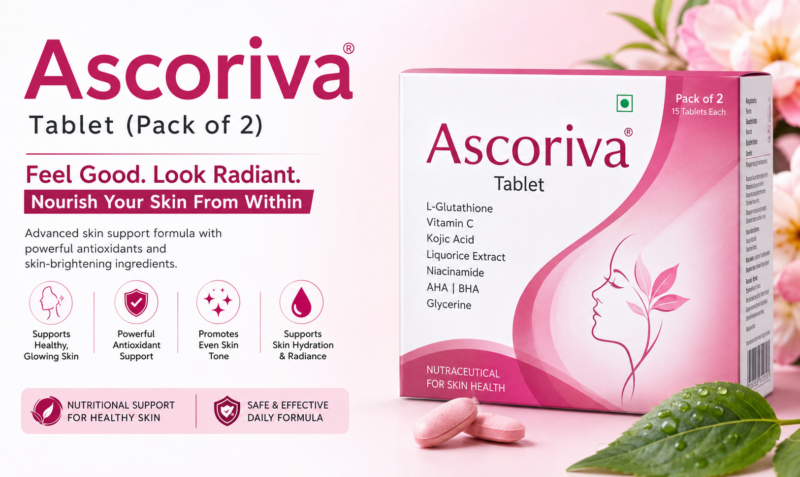
Its reported ingredients combine different skincare functions. Moisturizing ingredients help maintain skin hydration, while exfoliating agents remove accumulated dead skin cells. Other ingredients, including Vitamin C, Kojic Acid and Niacinamide, are commonly included in products designed for uneven pigmentation.
Although these ingredients have established or emerging roles in skincare, their presence does not guarantee a specific result from the finished lotion. Effectiveness depends on the complete formulation, ingredient concentrations and individual skin characteristics.
Gloriva Lotion Ingredients and Their Skincare Roles
Understanding a product’s ingredients can help consumers choose a skincare routine that suits their needs. The following ingredients appear in the available Gloriva Lotion product information. Check the packaging for the complete ingredient list and exact concentrations.
1. L-Glutathione
Glutathione is an antioxidant naturally present in the human body. It participates in cellular processes that help manage oxidative stress.
Researchers have also investigated glutathione for its potential effects on skin pigmentation. However, evidence supporting topical glutathione for skin brightening remains limited, and results from individual formulations cannot be assumed.
2. Vitamin C
Vitamin C is widely used in antioxidant skincare. It participates in collagen synthesis and may help improve the appearance of uneven skin tone when delivered in a suitable topical formulation.
The effectiveness of a Vitamin C product depends on factors such as its chemical form, concentration, stability and packaging.
3. Kojic Acid
Kojic Acid is commonly found in skincare products designed to address visible pigmentation. It can inhibit tyrosinase, an enzyme involved in melanin production.
Some people experience irritation when using kojic acid. Individuals with sensitive skin should introduce products containing this ingredient carefully.
4. Liquorice Extract
Liquorice extract contains compounds studied for their antioxidant and pigmentation-related properties. It is commonly used in cosmetic products targeting uneven-looking skin.
Its effects depend on the type of extract, concentration and complete formulation.
5. Niacinamide
Niacinamide is a form of Vitamin B3 used in many skincare products. It can help support the skin barrier, improve moisture retention and reduce the appearance of uneven skin tone.
It is often included in moisturizers and pigmentation-focused skincare formulations because of its multiple skin-conditioning functions.
6. AHA and BHA
Alpha-hydroxy acids and beta-hydroxy acids are exfoliating ingredients. They help remove accumulated dead skin cells and may improve the appearance of rough skin texture.
However, excessive exfoliation can damage the skin barrier and cause dryness, stinging or redness. The strength and frequency of application should suit the individual’s skin tolerance.
7. Glycerine
Glycerine is a humectant that attracts and retains moisture. It helps improve skin hydration and can reduce the uncomfortable feeling associated with dryness.
Maintaining adequate moisture also supports the skin barrier and improves the appearance of rough, dehydrated skin.
Gloriva Lotion Uses
Gloriva Lotion may be incorporated into a skincare routine for several cosmetic concerns. The following uses reflect the general functions of its reported ingredients rather than guaranteed clinical outcomes.
For Dull-Looking Skin
Dryness and accumulated dead skin cells can make the skin appear dull. A suitable combination of moisturizing and exfoliating ingredients may help improve its appearance.
For Uneven Skin Tone
Uneven pigmentation can develop because of sun exposure, previous inflammation and other factors. Ingredients such as Niacinamide, Vitamin C and Kojic Acid are commonly used in products targeting the appearance of discoloration.
For Skin Hydration
Moisturizing ingredients such as Glycerine help maintain water within the outer skin layers. Regular moisturization can improve softness and reduce the appearance of dryness.
For Rough Skin Texture
AHA and BHA can support exfoliation and may help the skin feel smoother. People with sensitive or damaged skin should seek professional guidance before using exfoliating products.
Gloriva Lotion for Pigmentation and Dark Spots
Dark spots can develop for several reasons, including sun exposure, post-inflammatory hyperpigmentation and hormonal changes. Identifying the cause is important because different pigmentation conditions may require different treatments.
Gloriva Lotion contains reported ingredients commonly used in pigmentation-focused skincare. However, its ability to improve an individual’s dark spots has not been established through product-specific clinical evidence presented here.
Persistent pigmentation, melasma or rapidly changing skin discoloration should be assessed by a dermatologist.
How to Use Gloriva Lotion
Follow the directions on your product packaging or the instructions provided by your dermatologist. A general approach to introducing a new skincare lotion includes the following steps.
- Cleanse the intended application area with a gentle cleanser.
- Pat the skin dry using a clean towel.
- Apply the amount specified on the product label.
- Spread the lotion gently without excessive rubbing.
- Avoid contact with the eyes, lips and damaged skin.
- Use an appropriate moisturizer if your skin requires additional hydration.
- During the daytime, apply broad-spectrum sunscreen with SPF 30 or higher.
Because the reported formulation contains exfoliating acids, avoid immediately combining it with several other strong exfoliating products. Follow professional advice if you already use prescription skincare treatments.
Gloriva Lotion Side Effects
Some people may experience unwanted skin reactions when using products containing exfoliating acids or other active ingredients.
- Redness or irritation
- Temporary stinging
- Dryness or peeling
- Itching
- Increased sensitivity
- Allergic contact reactions
Stop using the lotion if significant irritation develops. Seek medical advice if symptoms persist. Severe swelling, breathing difficulties or other signs of a serious allergic reaction require urgent medical attention.
Precautions Before Using Gloriva Lotion
- Check the complete ingredient list for known allergies.
- Introduce the lotion carefully if your skin is sensitive.
- Avoid applying it to broken or severely irritated skin.
- Do not combine multiple exfoliating products without appropriate guidance.
- Use sunscreen as part of your daytime skincare routine.
- Consult a dermatologist if you have eczema, rosacea or persistent pigmentation.
- During pregnancy or breastfeeding, ask a healthcare professional to review the complete formulation before use.
Gloriva Lotion and Daily Sun Protection
Sun protection is particularly important when managing uneven pigmentation. UV exposure can contribute to dark spots and make existing pigmentation more noticeable.
Choose a broad-spectrum sunscreen with SPF 30 or higher and reapply according to the product instructions. Protective clothing and shade provide additional protection.
For general skincare guidance, visit the American Academy of Dermatology’s everyday skincare resources.
Where to Find Gloriva Lotion Online
Before choosing a skincare product, review its ingredient list, directions, expiry date and suitability for your skin. You can explore the Gloriva Lotion listing at 24x7Pharma for available product information.
Conclusion
Gloriva Lotion combines reported ingredients used in moisturizing, antioxidant and pigmentation-focused skincare. Its suitability depends on the complete formulation, individual skin tolerance and the underlying cause of any skin concerns.
A consistent routine that includes gentle cleansing, appropriate moisturization and sun protection remains important. For persistent pigmentation or irritation, seek guidance from a qualified dermatologist.
Disclaimer: This article is for general skincare education and does not replace professional medical advice. Ingredient-level research should not be interpreted as proof of clinical effectiveness for the finished product.