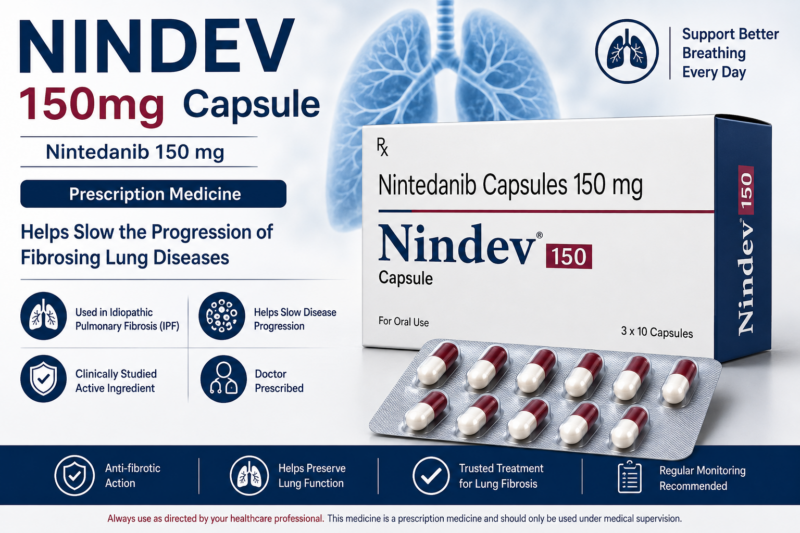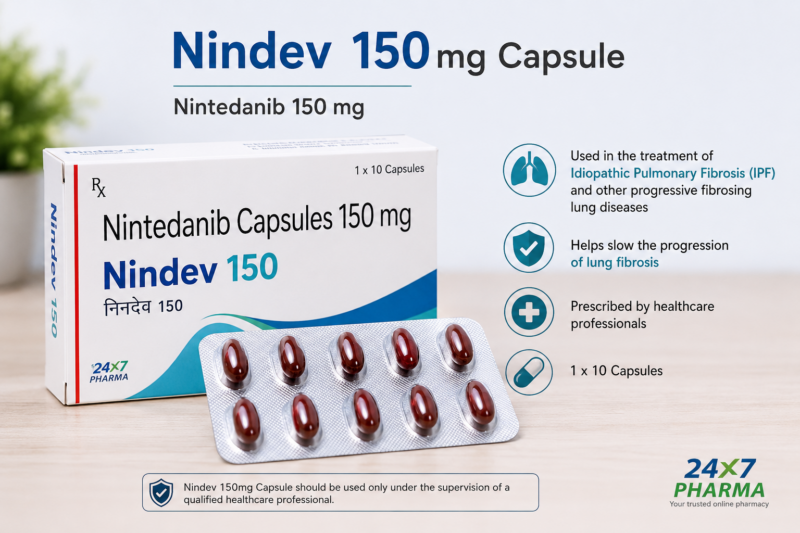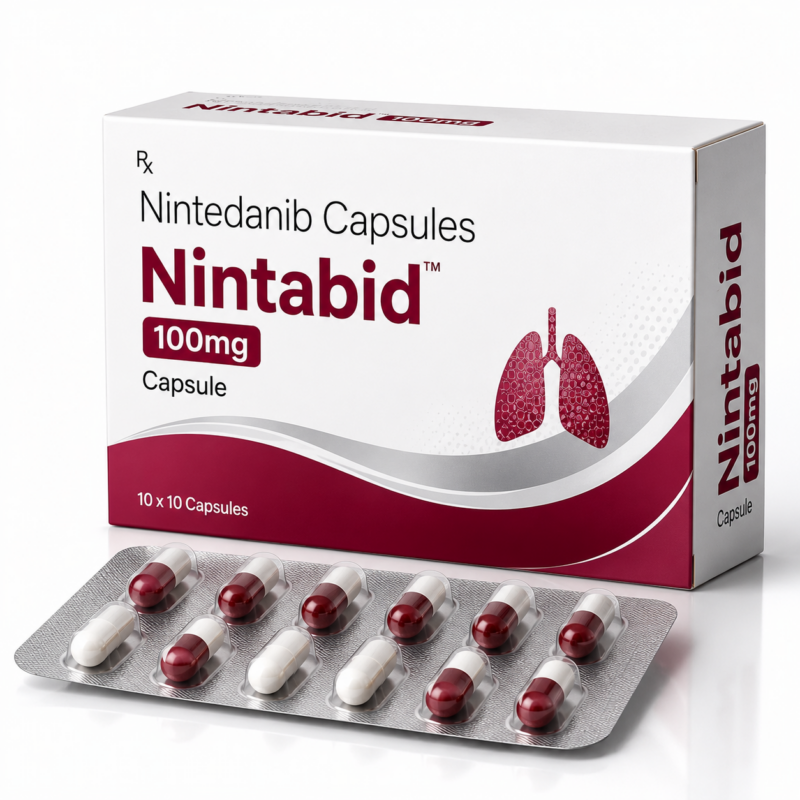




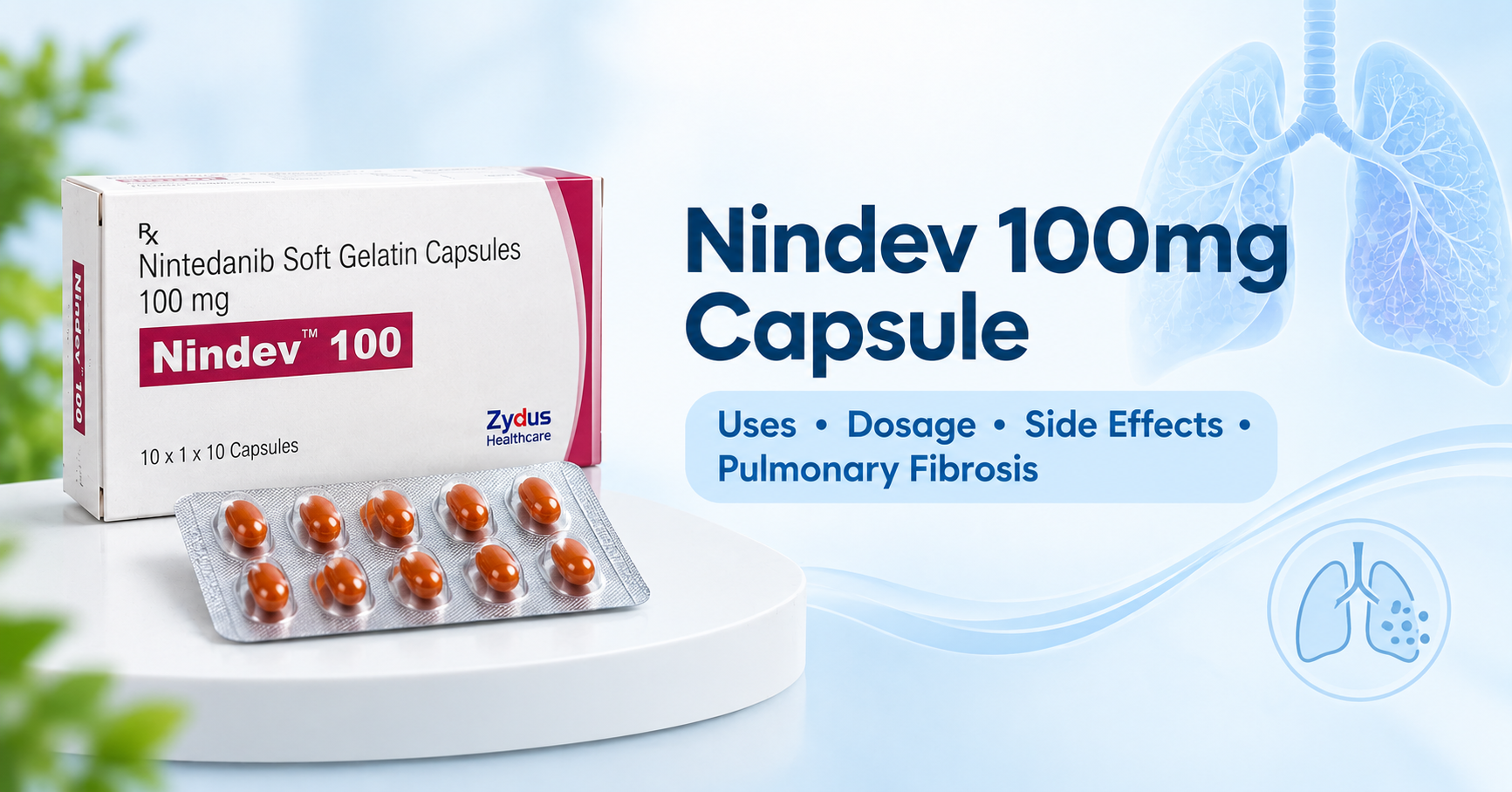
Nindev 100mg Capsule contains nintedanib, an antifibrotic medicine prescribed for certain progressive fibrosing lung diseases. It targets biological pathways involved in lung scarring and may help slow the decline in lung function in suitable patients.
However, nintedanib requires medical supervision. Patients need to understand their prescribed dosage, possible side effects, treatment monitoring and the importance of regular specialist appointments.
This guide explains Nindev 100mg uses, how nintedanib works, important safety precautions and practical questions patients may wish to discuss with their pulmonologist.
What Is Nindev 100mg Capsule?
Nindev 100mg is a prescription medicine containing nintedanib 100mg. It belongs to a class of medicines called kinase inhibitors and is used in the management of selected fibrosing lung conditions.
Nintedanib is an antifibrotic treatment. Rather than reversing existing scar tissue, it targets cellular signalling pathways that contribute to progressive fibrosis.
The medicine is prescribed as part of an individualized treatment plan. A pulmonologist considers the patient’s diagnosis, disease progression, liver function, medical history and tolerance before deciding whether treatment is appropriate.
For information about the available formulation and pack details, visit the Nindev 100mg Capsule product page on 24x7Pharma.
Understanding Pulmonary Fibrosis
Pulmonary fibrosis occurs when lung tissue becomes damaged and scarred. Over time, the affected tissue becomes thicker and less flexible, making it harder for the lungs to transfer oxygen into the bloodstream.
Patients may experience shortness of breath, a persistent dry cough, fatigue and reduced exercise tolerance. However, symptoms vary according to the underlying disease and its severity.
Some forms of pulmonary fibrosis progress gradually, while others may worsen more quickly. Doctors use clinical assessments, imaging and lung function tests to understand the condition and monitor changes.
What Is Idiopathic Pulmonary Fibrosis?
Idiopathic pulmonary fibrosis, commonly called IPF, is a chronic fibrosing lung disease without a clearly identifiable cause. It primarily affects the tissue surrounding the tiny air sacs in the lungs.
As scarring progresses, patients may experience increasing breathlessness and difficulty performing everyday activities.
Antifibrotic medicines such as nintedanib can help slow lung function decline in appropriate patients. Nevertheless, treatment does not remove existing scars or cure IPF.
What Is Progressive Pulmonary Fibrosis?
Progressive pulmonary fibrosis describes worsening fibrosis in certain interstitial lung diseases other than IPF. Doctors assess progression using symptoms, lung function measurements and radiological findings.
Some patients with progressive fibrosing interstitial lung disease may benefit from nintedanib after specialist evaluation.
Nindev 100mg Capsule Uses
Doctors prescribe nintedanib for specific fibrosing lung diseases. Its suitability depends on the diagnosis, applicable prescribing information and individual patient characteristics.
1. Idiopathic Pulmonary Fibrosis
Nintedanib is an established antifibrotic treatment for adults with IPF. Clinical studies have demonstrated that it can reduce the rate of decline in forced vital capacity, an important measure of lung function.
Doctors may recommend treatment alongside regular pulmonary function testing, symptom assessment and supportive care.
2. Chronic Fibrosing Interstitial Lung Diseases
Some chronic interstitial lung diseases develop a progressive fibrosing phenotype despite appropriate management of the underlying condition.
Nintedanib may help slow lung function decline in suitable adults with these progressive conditions.
3. Systemic Sclerosis-Associated Interstitial Lung Disease
Systemic sclerosis is an autoimmune condition that can affect the skin, blood vessels and internal organs. In some patients, it also causes interstitial lung disease.
Nintedanib may be prescribed to slow the decline in pulmonary function in adults with systemic sclerosis-associated interstitial lung disease.
How Does Nintedanib Work?
Nintedanib inhibits several receptor tyrosine kinases involved in cellular signalling. These include pathways associated with platelet-derived growth factor, fibroblast growth factor and vascular endothelial growth factor.
These signalling pathways contribute to processes such as fibroblast activity, tissue remodelling and fibrosis.
By inhibiting these pathways, nintedanib helps reduce biological processes involved in progressive lung scarring.
The treatment aims to slow further deterioration rather than restore already damaged lung tissue. Some patients may continue to experience symptoms or disease progression despite treatment.
What Are the Benefits of Nintedanib Treatment?
The principal demonstrated benefit of nintedanib in appropriate fibrosing lung diseases is a reduction in the rate of lung function decline.
For people with IPF or certain progressive fibrosing conditions, slowing deterioration may form an important part of long-term disease management.
However, treatment response varies. Nintedanib does not guarantee symptom improvement, prevent every complication or eliminate the need for oxygen therapy when clinically indicated.
Regular medical reviews help doctors assess treatment tolerability and changes in lung function.
Nindev 100mg Dosage and Administration
The prescribing doctor determines the correct nintedanib strength and treatment schedule. Patients should never choose their own dosage based on the capsule strength.
For several approved adult indications, the standard nintedanib regimen is 150mg twice daily, approximately 12 hours apart. Doctors may prescribe 100mg twice daily in particular situations, including certain dose reductions or mild hepatic impairment.
These are general prescribing-information examples, not individualized instructions for Nindev 100mg.
How Should You Take Nindev 100mg?
- Take the capsule exactly as prescribed by your doctor.
- Take nintedanib with food.
- Swallow the capsule whole with liquid.
- Do not crush, chew or open the capsule.
- Follow the prescribed dosing schedule.
- Do not change the dose without consulting your doctor.
What Happens If You Miss a Dose?
If you miss a nintedanib dose, skip the missed dose and take the next dose at its scheduled time.
Do not take an additional capsule to compensate for the missed dose. Speak with your healthcare professional if you frequently miss medication.
Common Side Effects of Nindev 100mg
Like other prescription medicines, nintedanib can cause side effects. Gastrointestinal symptoms are particularly common during treatment.
Reported side effects include:
- Diarrhea.
- Nausea and vomiting.
- Abdominal discomfort.
- Reduced appetite.
- Weight loss.
- Headache.
- Increased liver enzymes.
Not everyone experiences these effects. Their frequency and severity may also vary between patients and treatment settings.
Managing Diarrhea During Nintedanib Treatment
Diarrhea is among the most frequently reported adverse reactions associated with nintedanib. It may occur during the first few months of treatment.
Contact your healthcare professional when diarrhea begins. They may recommend appropriate hydration, an antidiarrheal medicine or changes to the treatment plan.
Do not independently reduce or discontinue your prescribed medication. Severe or persistent diarrhea requires prompt medical attention because it may cause dehydration.
Why Is Liver Monitoring Important?
Nintedanib can increase liver enzymes and bilirubin. In some cases, patients may develop serious drug-induced liver injury.
Doctors generally conduct liver function tests before treatment, regularly during the first three months and periodically thereafter.
Contact your doctor immediately if you experience unusual fatigue, dark urine, yellowing of the skin or eyes, reduced appetite or pain in the upper right abdomen.
These symptoms may indicate a liver problem that requires urgent evaluation.
Important Nindev 100mg Precautions
Bleeding Risk
Nintedanib can increase bleeding risk. Inform your doctor if you have a bleeding disorder or take anticoagulants or other medicines that may increase bleeding.
Cardiovascular Conditions
Tell your doctor if you have a history of heart disease, heart attack or other cardiovascular problems. Seek emergency care for symptoms suggesting a heart attack.
Gastrointestinal Problems
Discuss previous gastrointestinal surgery, diverticular disease or other conditions that may increase the risk of gastrointestinal complications.
Sudden, severe abdominal pain requires urgent medical assessment.
Pregnancy
Nintedanib can harm an unborn baby. Patients who could become pregnant need appropriate pregnancy assessment and effective contraception.
Discuss contraception during treatment and for the recommended period after the final dose with your doctor. Inform your healthcare professional immediately if pregnancy occurs or is suspected.
Breastfeeding
Breastfeeding is not recommended during nintedanib treatment. Discuss infant-feeding arrangements and the applicable prescribing guidance with your doctor.
Nindev 100mg Drug Interactions
Nintedanib may interact with medicines that affect its absorption, transport or elimination. Certain medicines can increase or decrease nintedanib exposure.
Examples requiring medical review include rifampicin, ketoconazole and medicines that affect P-glycoprotein transport.
Anticoagulants and other medicines that increase bleeding risk also require careful consideration.
Always tell your doctor about prescription medicines, over-the-counter products, herbal supplements and vitamins before starting treatment.
Living With Pulmonary Fibrosis During Treatment
Medication is only one part of pulmonary fibrosis care. A comprehensive management plan may also include pulmonary rehabilitation, nutritional support, appropriate physical activity and vaccination.
Some patients need supplemental oxygen after specialist assessment. Others may benefit from additional treatment for associated medical conditions.
Stopping smoking and avoiding respiratory irritants can support general lung health. Discuss safe exercise levels and pulmonary rehabilitation with your healthcare team.
Regular appointments help your doctor assess symptoms, pulmonary function, treatment tolerance and the need for additional support.
When Should You Contact Your Doctor?
Contact your healthcare professional if you develop persistent diarrhea, repeated vomiting, unexpected weight loss, unusual bruising or symptoms of liver injury.
Seek urgent medical attention for severe abdominal pain, significant bleeding, chest pain or sudden breathing difficulties.
Do not assume that every new symptom is caused by pulmonary fibrosis or a medication side effect. New symptoms may require a separate medical assessment.
Nindev 100mg Capsule Online
Nindev 100mg is a prescription medicine. Before obtaining it, patients should have a confirmed diagnosis and a treatment plan from a qualified healthcare professional.
You can review the Nindev 100mg Capsule listing at 24x7Pharma for product details, pack information and current availability.
Always verify the prescribed strength and follow applicable prescription requirements. Never substitute another nintedanib strength without medical approval.
Frequently Asked Questions About Nindev 100mg
1. What is Nindev 100mg used for?
Nindev contains nintedanib, which doctors prescribe for selected fibrosing lung diseases, including IPF and certain progressive interstitial lung diseases.
2. Does Nindev 100mg cure pulmonary fibrosis?
No. Nintedanib may slow lung function decline in appropriate patients, but it does not reverse existing pulmonary fibrosis.
3. Is Nindev 100mg a steroid?
No. Nintedanib is a kinase inhibitor with antifibrotic activity.
4. Can I take Nindev without food?
Nintedanib capsules should be taken with food according to the prescribing information.
5. Can I stop taking Nindev if I feel better?
Do not stop treatment without discussing it with your prescribing doctor. Treatment decisions depend on disease progression, tolerability and other clinical factors.
6. Why does Nindev cause diarrhea?
Diarrhea is a recognized adverse effect of nintedanib. Its precise mechanism is not fully established. Contact your doctor promptly if it occurs.
7. Is liver testing necessary during treatment?
Yes. Liver function testing is an important part of nintedanib treatment monitoring.
8. Can Nindev be taken during pregnancy?
Nintedanib can cause fetal harm. Patients who are pregnant or planning pregnancy must discuss treatment risks and alternatives with their doctor.
9. Is Nindev 100mg the same as Nindev 150mg?
Both strengths contain nintedanib, but they contain different amounts of the active ingredient. They are not interchangeable without medical guidance.
10. Is Nindev available without a prescription?
Nindev is a prescription medicine and should only be used under appropriate medical supervision.
Conclusion
Nindev 100mg Capsule contains nintedanib, an antifibrotic medicine used in selected progressive fibrosing lung conditions. It may help slow the rate of lung function decline when prescribed to appropriate patients.
Successful treatment requires more than taking medication. Regular lung function assessments, liver monitoring, side-effect management and ongoing specialist care are essential components of a comprehensive treatment plan.
Medical References
Medical disclaimer: This article is intended for general educational purposes. It does not replace professional medical advice, diagnosis or treatment. Nindev 100mg is a prescription medicine. Patients should follow their prescribing doctor’s instructions and seek medical advice about treatment suitability, dosage, side effects and monitoring.