



People living with pulmonary fibrosis often have questions about treatment benefits, side effects and long-term monitoring. Understanding how nintedanib works can help patients follow their prescribed treatment safely.
This guide covers Nintena 100mg Capsule uses, benefits, administration, possible side effects, important precautions and frequently asked questions.
What Is Nintena 100mg Capsule?
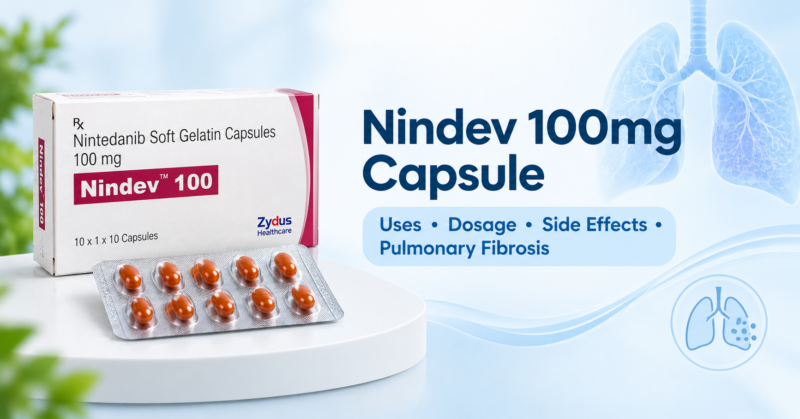
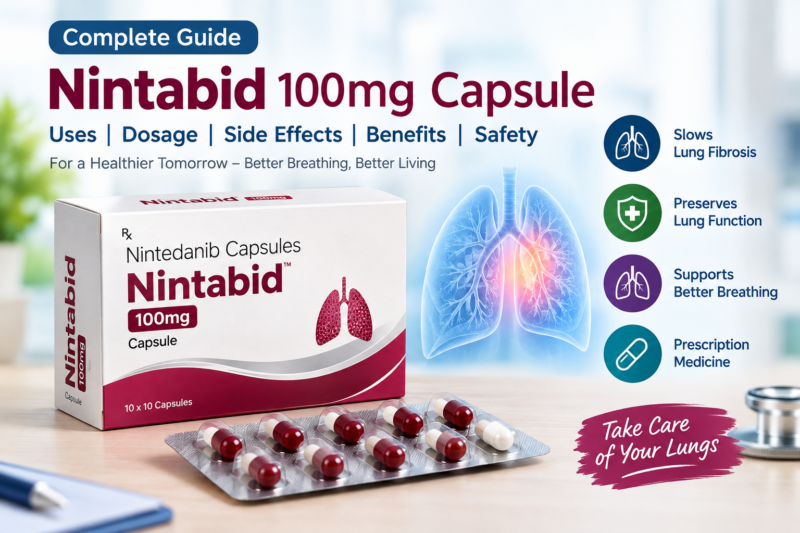
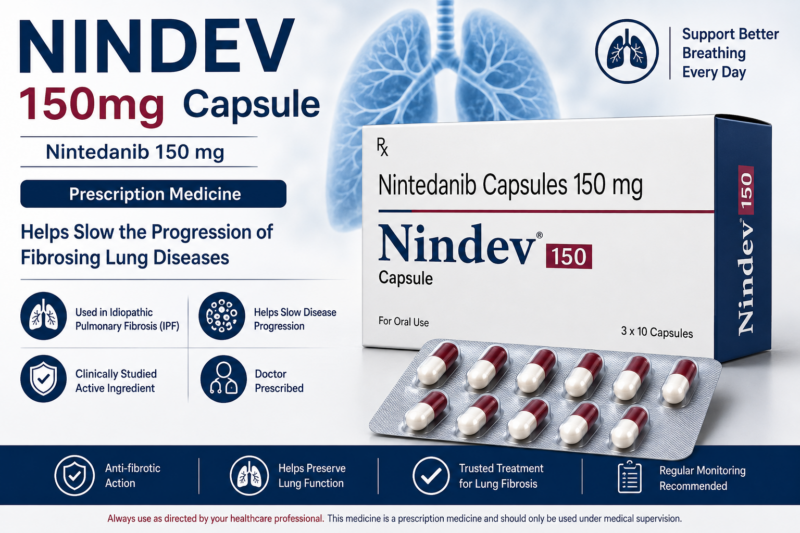
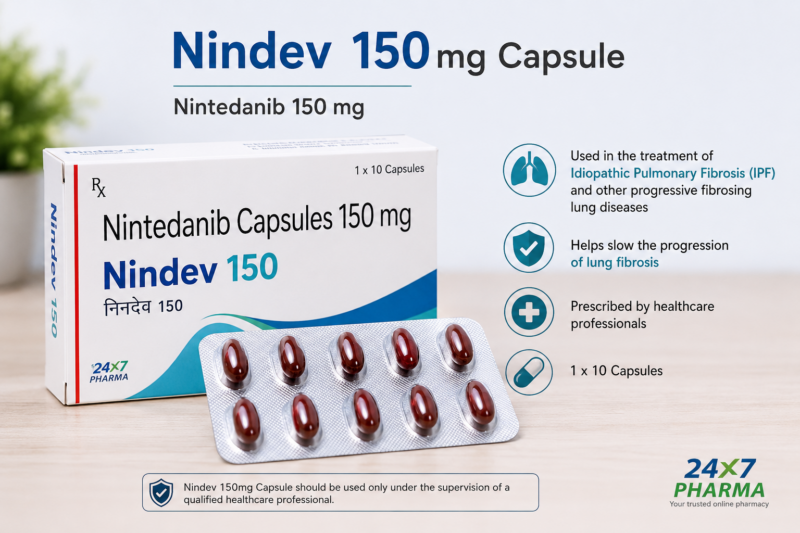
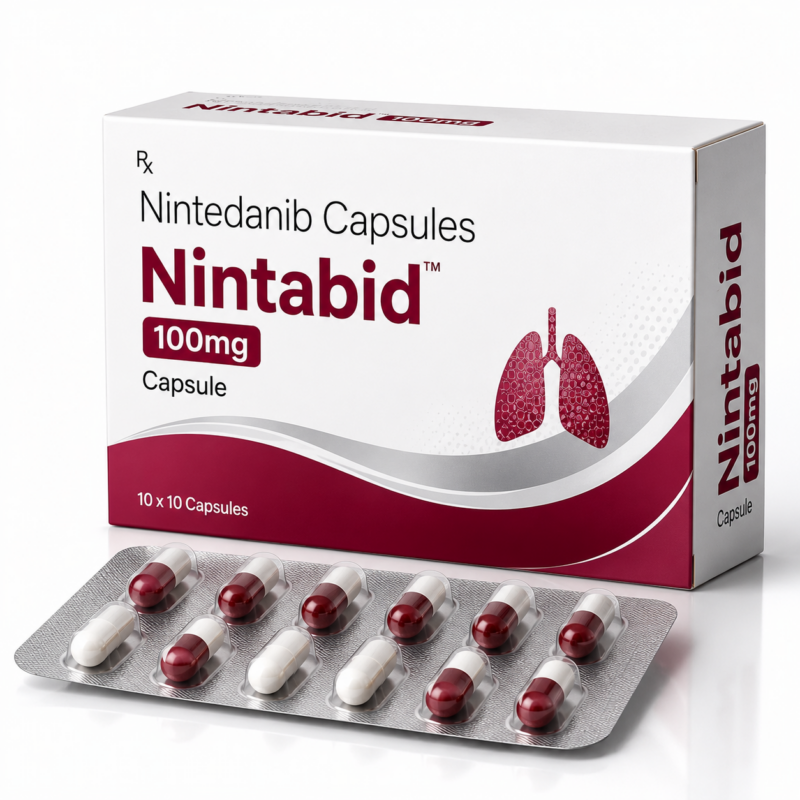
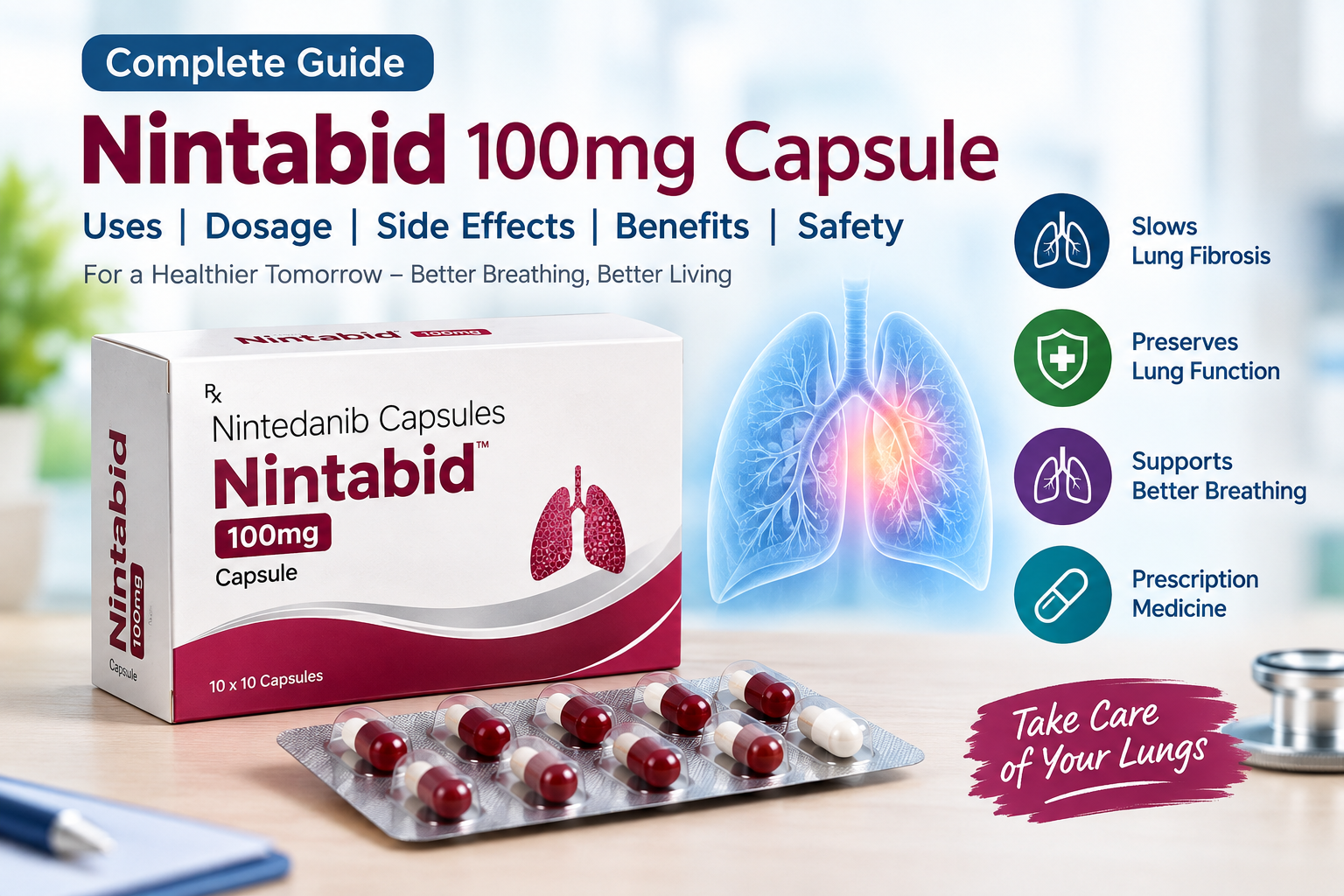
Nintena 100mg Capsule is an oral prescription medicine containing nintedanib 100mg. It belongs to a group of medicines called tyrosine kinase inhibitors and is used as antifibrotic treatment in certain lung conditions.
Pulmonary fibrosis causes abnormal scarring of lung tissue. As scarring progresses, the lungs become less flexible, making breathing increasingly difficult.
Nintedanib acts on cellular signalling pathways associated with the development and progression of fibrosis. Clinical studies have shown that it can reduce the rate of decline in lung function in certain patient groups.
For brand-specific information, visit the Nintena 100mg Capsule product page on 24x7Pharma.
Nintena 100mg Capsule Composition
| Product information | Details |
|---|---|
| Brand | Nintena |
| Active ingredient | Nintedanib |
| Strength | 100mg |
| Dosage form | Soft gelatin capsule |
| Drug class | Tyrosine kinase inhibitor |
| Manufacturer | Sun Pharmaceutical Industries Ltd. |
| Pack size | 1 x 10 capsules |
Nintena 100mg Capsule Uses
Nintedanib is used for specific conditions associated with progressive lung fibrosis. Its suitability depends on the patient’s diagnosis, medical history and the prescribing information applicable in their country.
1. Idiopathic Pulmonary Fibrosis
Idiopathic pulmonary fibrosis (IPF) is a chronic lung disease that causes progressive scarring without a clearly identified cause.
Patients may experience persistent dry cough, breathlessness and reduced exercise tolerance. As the disease progresses, normal daily activities can become increasingly difficult.
Nintedanib helps slow the decline in lung function in eligible patients with IPF. It does not remove existing scar tissue.
2. Progressive Fibrosing Interstitial Lung Disease
Interstitial lung disease (ILD) describes a group of disorders that affect the tissue surrounding the air sacs in the lungs.
Some forms develop progressive fibrosis despite appropriate management. Nintedanib may be prescribed for adults with certain chronic fibrosing ILDs that demonstrate a progressive phenotype.
A pulmonologist usually evaluates symptoms, lung function tests and imaging findings before recommending treatment.
3. Systemic Sclerosis-Associated Interstitial Lung Disease
Systemic sclerosis is an autoimmune condition that can affect the skin, blood vessels and internal organs, including the lungs.
When the disease causes interstitial lung involvement, progressive fibrosis may reduce lung function.
Nintedanib is approved in certain jurisdictions to slow the rate of decline in pulmonary function in adults with systemic sclerosis-associated ILD.
How Does Nintena 100mg Capsule Work?
Nintedanib inhibits several receptor tyrosine kinases involved in cellular growth and fibrotic signalling.
These include fibroblast growth factor receptors, platelet-derived growth factor receptors and vascular endothelial growth factor receptors.
By interfering with these pathways, nintedanib can reduce processes associated with the progression of lung fibrosis.
However, it does not restore lung tissue that has already developed permanent scarring.
Benefits of Nintena 100mg Capsule
When prescribed for an appropriate condition, nintedanib offers several clinically relevant treatment benefits.
- Helps slow the rate of decline in lung function in eligible patients.
- Provides an oral antifibrotic treatment option.
- Targets multiple signalling pathways associated with fibrosis.
- Supports specialist-directed management of certain progressive fibrosing lung diseases.
Individual treatment outcomes vary. Patients should attend regular follow-up appointments so their doctor can assess treatment response and tolerability.
Nintena 100mg Capsule Dosage and Administration
The appropriate nintedanib dose depends on the diagnosis, liver function, treatment response and adverse effects.
For several approved adult indications, standard nintedanib prescribing information recommends 150mg twice daily. Doctors may prescribe 100mg twice daily in particular circumstances, including dose reduction for adverse reactions or certain patients with mild hepatic impairment.
The availability of a 100mg capsule does not mean that every patient should take this dose. Always follow your own prescription.
How to Take Nintena 100mg
- Take the medicine with food.
- Swallow the capsule whole with liquid.
- Do not chew, crush or open the capsule.
- Follow the schedule prescribed by your doctor.
- Never change the dose without medical advice.
What Happens If You Miss a Dose?
If you miss a dose of nintedanib, skip the missed dose and take the next dose at the regularly scheduled time. Do not take an extra dose to compensate.
Nintena 100mg Capsule Side Effects
Like other prescription medicines, nintedanib may cause side effects. Some are manageable with appropriate supportive treatment, while others require urgent medical assessment.
Common Side Effects
- Diarrhoea
- Nausea and vomiting
- Abdominal discomfort
- Reduced appetite
- Weight loss
- Headache
- Increased liver enzymes
Diarrhoea is among the most frequently reported side effects. Inform your healthcare provider when symptoms first develop. Your doctor may recommend appropriate supportive treatment or adjust your medication if necessary.
Serious Side Effects
Seek prompt medical attention for yellowing of the skin or eyes, unusual bleeding, severe abdominal pain, chest pain or other concerning symptoms.
Nintedanib has been associated with liver injury, bleeding, arterial thromboembolic events and gastrointestinal perforation. These risks require careful assessment, particularly in susceptible patients.
Important Precautions Before Taking Nintena 100mg
Liver Disease
Nintedanib can cause elevations in liver enzymes and, occasionally, serious liver injury. Liver function tests are recommended before treatment and at appropriate intervals during therapy.
Patients with liver disease may require additional assessment or a different treatment plan.
Pregnancy
Nintedanib can cause fetal harm. Patients who can become pregnant should discuss effective contraception and pregnancy testing with their healthcare professional before starting treatment.
Contact your doctor immediately if pregnancy occurs during treatment.
Breastfeeding
Breastfeeding is not recommended during nintedanib treatment. Discuss the applicable precautions and the period after the final dose with your doctor.
Bleeding and Cardiovascular Conditions
Tell your doctor if you have a bleeding disorder, take anticoagulant medicines or have a history of cardiovascular disease.
Nintedanib may increase certain risks in susceptible patients. Your healthcare professional will assess your medical history before prescribing treatment.
Nintena 100mg Drug Interactions
Some medicines can affect nintedanib exposure or increase the risk of adverse effects.
Important medicines and products to discuss with your doctor include rifampicin, carbamazepine, phenytoin, certain strong P-glycoprotein inhibitors and medicines that increase bleeding risk.
Tell your healthcare provider about all prescription medicines, over-the-counter products and herbal supplements you use.
Monitoring During Nintedanib Treatment
Regular monitoring is an important part of long-term antifibrotic treatment.
- Liver function tests before and during treatment.
- Assessment of diarrhoea, nausea and other gastrointestinal symptoms.
- Monitoring of weight and nutritional status.
- Periodic lung function assessment as directed by the pulmonologist.
- Review of treatment adherence and medication interactions.
Your doctor may adjust your treatment if significant adverse effects develop.
Lifestyle Considerations for People With Pulmonary Fibrosis
Medicines are only one part of managing a chronic fibrosing lung condition. A comprehensive treatment plan may include pulmonary rehabilitation, appropriate physical activity, nutritional support and specialist follow-up.
Patients who smoke should discuss smoking cessation with their healthcare professional. Maintaining recommended vaccinations and avoiding unnecessary exposure to respiratory irritants may also support respiratory health.
Ask your healthcare provider which activities and supportive measures are suitable for your individual condition.
Frequently Asked Questions About Nintena 100mg
1. What is Nintena 100mg Capsule used for?
It contains nintedanib, which is used for certain fibrosing lung diseases, including idiopathic pulmonary fibrosis and other eligible interstitial lung diseases.
2. Can Nintena 100mg cure pulmonary fibrosis?
No. Nintedanib helps slow the decline in lung function in eligible patients but cannot cure pulmonary fibrosis or reverse established scarring.
3. Is Nintena 100mg a steroid?
No. Nintedanib is a tyrosine kinase inhibitor used as an antifibrotic medicine.
4. Should I take Nintena 100mg with food?
Yes. Nintedanib capsules should be taken with food and swallowed whole with liquid.
5. Can Nintena 100mg affect the liver?
Yes. Nintedanib can cause liver enzyme elevations and liver injury. Regular monitoring is important.
6. What should I do if I develop diarrhoea?
Contact your healthcare provider promptly. Your doctor may recommend supportive treatment or adjust your medication.
7. Can I stop Nintena when my breathing improves?
Do not discontinue treatment without discussing it with your prescribing specialist.
8. Is Nintena 100mg safe during pregnancy?
Nintedanib can cause fetal harm. Discuss pregnancy prevention and any suspected pregnancy immediately with your healthcare provider.
9. Can I take other medicines with Nintena?
Some medicines interact with nintedanib. Ask your doctor or pharmacist to review your complete medication list.
10. Where can I find Nintena 100mg product information?
Visit the Nintena 100mg Capsule listing at 24x7Pharma for product details.
Medical References
Medical disclaimer: This article is intended for educational purposes only. It does not replace professional medical advice, diagnosis or treatment. Nintena 100mg is a prescription medicine. Always follow your healthcare provider’s instructions and the prescribing information applicable in your country.