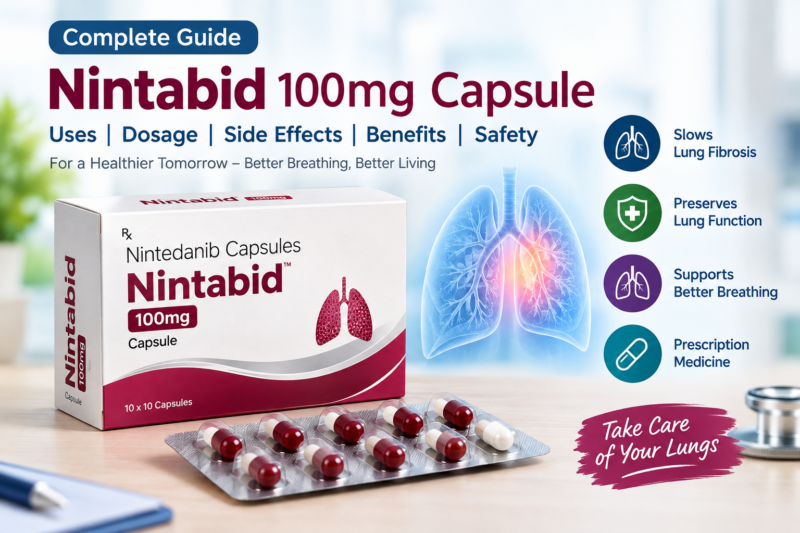




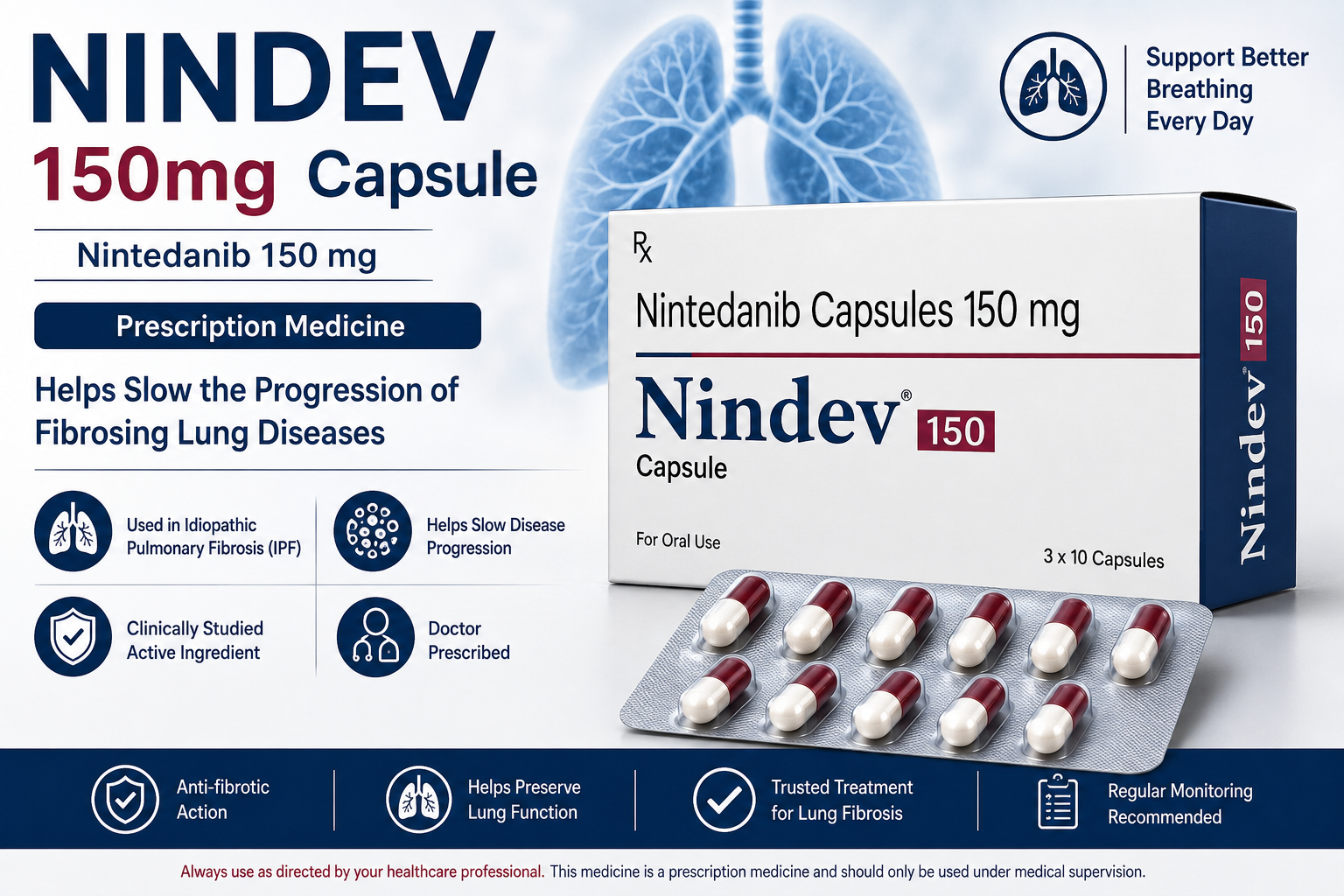
Chronic lung diseases that cause progressive scarring of the lungs can significantly affect breathing, physical activity, and overall quality of life. Conditions such as Idiopathic Pulmonary Fibrosis (IPF) and certain progressive fibrosing interstitial lung diseases (ILDs) require long-term medical management to help slow disease progression and preserve lung function.
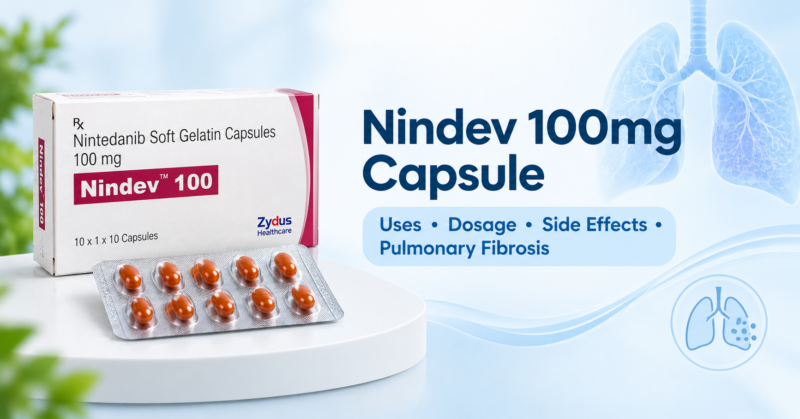
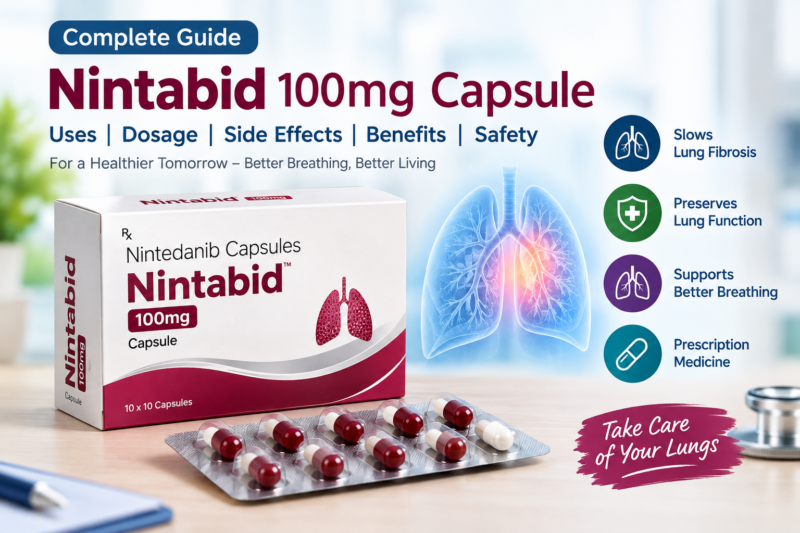
Nindev 150mg Capsule contains Nintedanib 150 mg, a prescription medicine belonging to the tyrosine kinase inhibitor (TKI) class. It is prescribed by healthcare professionals to help slow the progression of specific fibrosing lung diseases. Although it does not cure these conditions or reverse existing lung scarring, it may help reduce the rate at which lung function declines when used as directed.
In this complete guide, you’ll learn everything about
Nindev 150mg Capsule,
including its uses, benefits, mechanism of action, dosage, side effects, precautions, drug interactions, storage instructions, and frequently asked questions.
What is Nindev 150mg Capsule?
Nindev 150mg Capsule is a prescription medicine containing Nintedanib 150 mg. It belongs to a group of medicines known as tyrosine kinase inhibitors (TKIs), which are used in the management of certain chronic fibrosing lung diseases.
Nintedanib works by blocking multiple growth factor receptors involved in the development of fibrosis (scarring). By reducing the activity of these pathways, it helps slow the progression of lung fibrosis. It does not remove existing scar tissue but may help preserve lung function for a longer period when used consistently under medical supervision.
Doctors commonly prescribe Nindev 150mg Capsule for adults diagnosed with Idiopathic Pulmonary Fibrosis (IPF) and certain other progressive fibrosing interstitial lung diseases, depending on individual clinical assessment.
Medicine Overview
| Medicine Name | Nindev 150mg Capsule |
|---|---|
| Generic Name | Nintedanib 150 mg |
| Medicine Class | Tyrosine Kinase Inhibitor (TKI) |
| Dosage Form | Oral Capsule |
| Prescription Required | Yes |
| Common Use | Progressive Fibrosing Lung Diseases |
Why Early Treatment Matters
Fibrosing lung diseases can gradually reduce the lungs’ ability to transfer oxygen into the bloodstream. Early diagnosis and timely treatment may help slow disease progression, maintain lung function, and improve long-term disease management. Treatment decisions should always be individualized and made by a respiratory specialist or other qualified healthcare professional.
Trusted Medical Resources
For official product information and availability, visit the
Nindev 150mg Capsule product page.
Uses of Nindev 150mg Capsule
Nindev 150mg Capsule contains Nintedanib 150 mg, a prescription medicine used to help slow the progression of certain chronic fibrosing lung diseases. It is prescribed by specialists after evaluating the patient’s diagnosis, lung function, medical history, and overall health condition.
Unlike antibiotics or medicines that provide immediate symptom relief, Nintedanib works by slowing the disease process responsible for lung fibrosis. This may help preserve lung function over time when combined with regular medical follow-up and adherence to treatment.
1. Idiopathic Pulmonary Fibrosis (IPF)
The primary indication for
Nindev 150mg Capsule
is Idiopathic Pulmonary Fibrosis (IPF), a chronic condition that causes progressive scarring of lung tissue. As the disease progresses, breathing becomes increasingly difficult because scarred lungs cannot expand and exchange oxygen efficiently.
Clinical studies have shown that Nintedanib may help slow the decline in lung function in adults with IPF. Although it cannot remove existing scar tissue, slowing disease progression may help patients maintain their daily activities for a longer period.
2. Progressive Fibrosing Interstitial Lung Diseases (PF-ILD)
Doctors may also prescribe Nintedanib for adults with certain progressive fibrosing interstitial lung diseases (PF-ILD). These conditions involve ongoing inflammation and fibrosis that gradually reduce lung capacity. Treatment aims to slow disease progression and preserve respiratory function.
3. Systemic Sclerosis-Associated Interstitial Lung Disease (SSc-ILD)
In selected patients, Nintedanib may be recommended for systemic sclerosis-associated interstitial lung disease (SSc-ILD). This condition occurs when systemic sclerosis (scleroderma) affects the lungs, leading to fibrosis. Treatment is individualized based on the patient’s clinical condition and specialist recommendations.
How Does Nindev 150mg Capsule Work?
The active ingredient,
Nintedanib,
belongs to a group of medicines called tyrosine kinase inhibitors (TKIs). It works by blocking several enzymes involved in the signaling pathways that contribute to abnormal scar tissue formation inside the lungs.
Growth factors such as VEGF, FGF, and PDGF are involved in the development of fibrosis. Nintedanib inhibits these pathways, helping reduce excessive fibroblast activity that contributes to progressive lung scarring.
Because the medicine targets disease progression rather than symptoms alone, patients may not notice immediate improvement. Regular use as prescribed and routine medical monitoring are important to achieve the intended therapeutic benefit.
How Long Does Nindev 150mg Capsule Take to Work?
The effect of Nintedanib develops gradually. It is designed to slow the progression of fibrosing lung disease over months rather than provide immediate symptom relief. Your doctor may monitor lung function periodically to assess how well the treatment is working.
Individual response varies depending on the underlying disease, stage of fibrosis, overall health, and adherence to treatment.
Benefits of Nindev 150mg Capsule
Helps Slow Lung Function Decline
One of the major benefits of
Nindev 150mg Capsule
is its ability to slow the decline in lung function associated with certain fibrosing lung diseases when used according to medical guidance.
Supports Long-Term Disease Management
While Nintedanib does not cure lung fibrosis, it forms an important part of long-term disease management by helping reduce the rate of disease progression.
May Help Preserve Daily Function
By slowing the progression of fibrosis, treatment may help some patients maintain physical activity and quality of life for a longer period as part of an individualized care plan.
Evidence-Based Treatment Option
Nintedanib has been evaluated in clinical studies and is included in treatment recommendations for selected fibrosing lung diseases. Your respiratory specialist will determine whether it is appropriate for your condition.
Who May Be Prescribed Nindev 150mg Capsule?
- Adults diagnosed with Idiopathic Pulmonary Fibrosis (IPF).
- Adults with progressive fibrosing interstitial lung diseases.
- Selected patients with systemic sclerosis-associated ILD.
- Patients who have been evaluated by a respiratory specialist.
This medicine should only be used under the supervision of a qualified healthcare professional and should not be started without a confirmed diagnosis.
Trusted Medical Resources
To learn more about dosage, availability, and product information, visit the
Nindev 150mg Capsule product page.
Dosage of Nindev 150mg Capsule
The correct dosage of
Nindev 150mg Capsule
depends on several factors, including the type of lung disease, the patient’s age, liver function, overall medical condition, and response to treatment. The medicine should always be taken exactly as prescribed by your healthcare provider.
For most adults, Nintedanib is prescribed twice daily at approximately 12-hour intervals. However, your doctor may adjust the dose or temporarily interrupt treatment if side effects occur or if liver function tests become abnormal.
Do not increase, decrease, or stop taking
Nindev 150mg Capsule
without consulting your doctor.
How to Take Nindev 150mg Capsule
- Take the capsule exactly as prescribed.
- Swallow the capsule whole with water.
- Take it with food to help reduce stomach-related side effects.
- Do not crush, chew, or open the capsule.
- Take the medicine at the same times every day.
- Continue treatment unless your healthcare provider advises otherwise.
Missed Dose
If you forget to take a dose, skip the missed dose and continue with your next scheduled dose. Do not take two doses together to make up for a missed dose.
Overdose
An overdose of Nintedanib may increase the risk of serious side effects. If you accidentally take more capsules than prescribed, seek immediate medical attention or contact your nearest emergency medical facility.
Possible Side Effects of Nindev 150mg Capsule
Like all prescription medicines,
Nindev 150mg Capsule
may cause side effects. Many are manageable with medical supervision, dose adjustments, or supportive care.
Common Side Effects
- Diarrhea
- Nausea
- Vomiting
- Abdominal pain
- Loss of appetite
- Weight loss
- Fatigue
- Elevated liver enzymes
Diarrhea is one of the most commonly reported side effects. Your doctor may recommend increased fluid intake or prescribe medicine to manage this symptom if necessary.
Serious Side Effects
- Severe liver problems
- Persistent or severe diarrhea
- Unusual bleeding or bruising
- Chest pain
- Shortness of breath that suddenly worsens
- Signs of allergic reaction such as swelling of the face, lips, or throat
Seek immediate medical attention if you develop severe or persistent symptoms while taking
Nindev 150mg Capsule.
Warnings & Precautions
Before starting treatment, inform your doctor about your complete medical history and any medicines you currently take.
- Regular liver function tests may be required during treatment.
- Tell your doctor if you have liver disease.
- Inform your doctor if you have a history of bleeding disorders.
- Patients with cardiovascular disease should discuss treatment risks with their healthcare provider.
- Smoking may reduce the effectiveness of Nintedanib; discuss smoking cessation with your doctor.
- Attend all scheduled follow-up appointments for ongoing monitoring.
Drug Interactions
Certain medicines may interact with Nintedanib and affect its safety or effectiveness. Always inform your healthcare provider about all prescription medicines, over-the-counter medicines, vitamins, and herbal supplements you use.
Potential interactions may involve blood-thinning medicines, medicines that affect liver enzymes, and certain other prescription drugs. Never start or stop another medicine without medical advice while taking Nindev 150mg Capsule.
Storage Instructions
- Store below the temperature recommended on the product label.
- Keep the capsules in the original packaging.
- Protect from moisture, excessive heat, and direct sunlight.
- Keep out of reach of children and pets.
- Do not use after the expiry date.
When Should You Contact Your Doctor?
Contact your healthcare provider immediately if you experience severe diarrhea that does not improve, yellowing of the skin or eyes, persistent vomiting, chest pain, difficulty breathing, significant bleeding, or signs of a serious allergic reaction.
Regular monitoring allows your doctor to evaluate how well
Nindev 150mg Capsule
is working and whether dose adjustments are needed.
Trusted Medical Resources
For complete product details and availability, visit the
official Nindev 150mg Capsule product page.
Frequently Asked Questions
1. What is Nindev 150mg Capsule used for?
Nindev 150mg Capsule contains Nintedanib 150 mg, a prescription medicine used to help slow the progression of certain fibrosing lung diseases, including Idiopathic Pulmonary Fibrosis (IPF), Progressive Fibrosing Interstitial Lung Disease (PF-ILD), and selected cases of Systemic Sclerosis-Associated ILD, as prescribed by a healthcare professional.
2. Is Nindev 150mg Capsule a cure for pulmonary fibrosis?
No. Nindev 150mg Capsule does not cure pulmonary fibrosis or reverse existing lung scarring. It is prescribed to help slow disease progression and preserve lung function over time.
3. How long does Nindev 150mg Capsule take to work?
Nintedanib works gradually. It is intended to slow the progression of lung fibrosis over months rather than provide immediate symptom relief. Your doctor may perform regular lung function tests to monitor your response to treatment.
4. Should I take Nindev 150mg Capsule with food?
Yes. It is generally recommended to take Nindev 150mg Capsule with food to help reduce stomach-related side effects. Always follow your doctor’s instructions regarding how and when to take the medicine.
5. What should I do if I miss a dose?
If you miss a dose, skip it and take your next scheduled dose at the usual time. Do not take a double dose to make up for the missed one.
6. Can Nindev 150mg Capsule cause diarrhea?
Yes. Diarrhea is one of the most commonly reported side effects of Nintedanib. If diarrhea becomes severe or persistent, contact your healthcare provider promptly for medical advice.
Living Well with Fibrosing Lung Disease
Medicines such as Nindev 150mg Capsule are only one part of a comprehensive treatment plan. Patients are encouraged to attend regular follow-up appointments, take medicines exactly as prescribed, maintain a healthy lifestyle, and report any new or worsening symptoms to their healthcare provider.
- Take medicines consistently as prescribed.
- Avoid smoking and exposure to harmful air pollutants whenever possible.
- Stay physically active according to your doctor’s recommendations.
- Eat a balanced and nutritious diet to support overall health.
- Attend scheduled lung function tests and medical reviews.
- Discuss recommended vaccinations with your healthcare provider.
Conclusion
Nindev 150mg Capsule is a prescription medicine containing Nintedanib 150 mg that is used to help slow the progression of certain chronic fibrosing lung diseases. Although it does not cure lung fibrosis, it plays an important role in long-term disease management when used under the supervision of a qualified healthcare professional.
Following the prescribed dosage, attending regular medical appointments, monitoring liver function, and maintaining healthy lifestyle habits can help support the overall management of fibrosing lung diseases. Always discuss any concerns, side effects, or questions with your healthcare provider before making changes to your treatment.
For official product information, dosage details, and availability, visit the
Nindev 150mg Capsule product page.
Medical Disclaimer
This article is provided for educational and informational purposes only. It should not be considered medical advice, diagnosis, or treatment. Always consult a qualified healthcare professional before starting, stopping, or changing any prescription medicine. Individual treatment decisions should be based on your medical history and your doctor’s recommendations.