



Ozempic 1mg Injection contains semaglutide, a glucagon-like peptide-1 (GLP-1) receptor agonist. It helps adults with type 2 diabetes improve blood glucose control alongside diet and exercise. Additionally, US prescribing information identifies cardiovascular and kidney-related benefits for certain eligible patients.
This comprehensive guide explains Ozempic’s medical uses, working mechanism, potential benefits, weekly dosage, side effects and important safety precautions. Moreover, it provides practical information about injection techniques, missed doses and storage.
What Is Ozempic 1mg Injection?
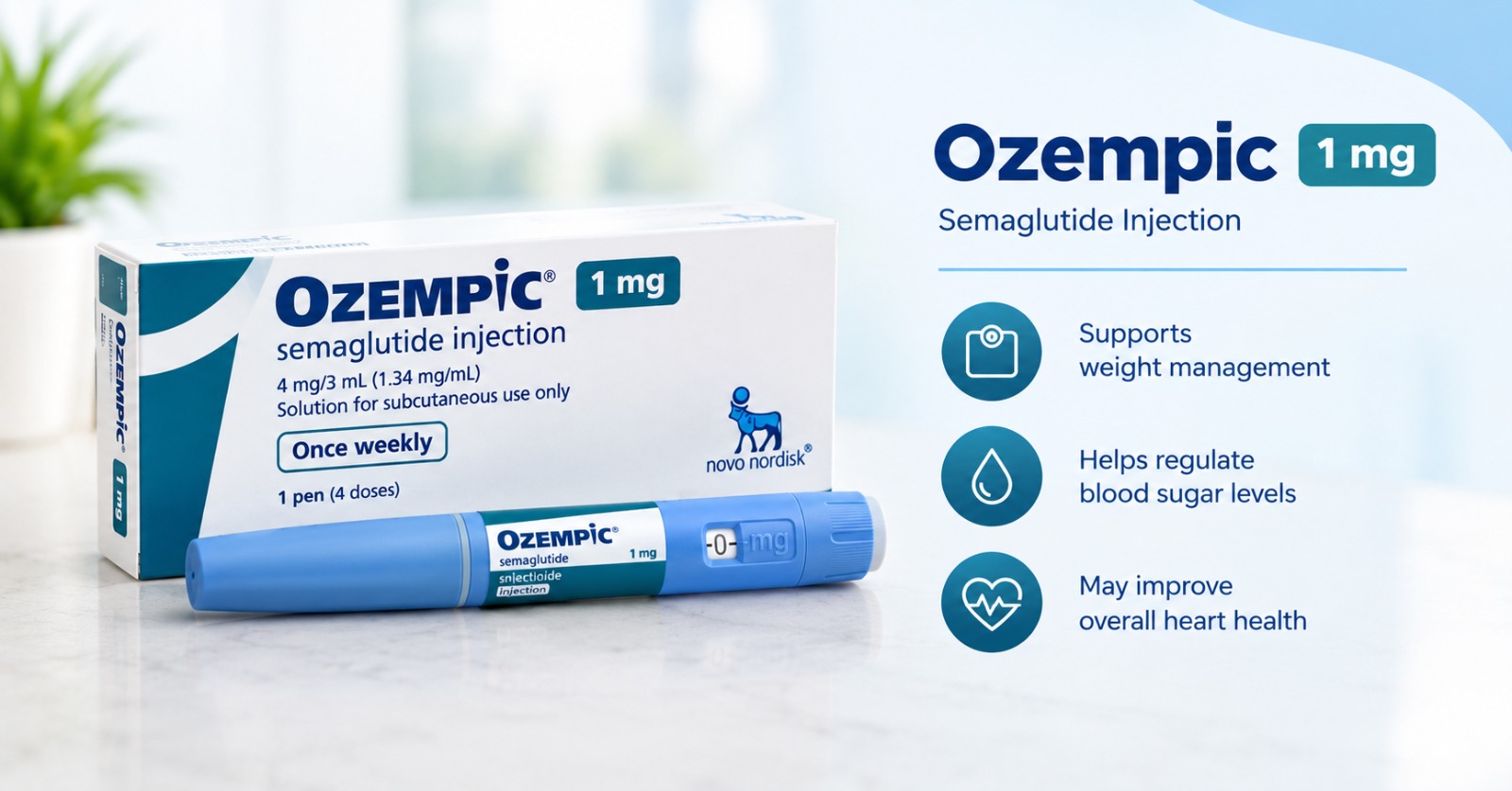
Novo Nordisk manufactures Ozempic, a prescription medicine containing semaglutide. As a long-acting GLP-1 receptor agonist, semaglutide helps regulate blood glucose through several complementary mechanisms.
24x7Pharma lists Ozempic 1mg Injection in a 3ml prefilled pen presentation. Patients administer the medicine beneath the skin once weekly according to their doctor’s instructions.
However, Ozempic is not insulin. It cannot replace prescribed insulin or treat diabetic ketoacidosis. Therefore, patients should always consult their healthcare professional before making changes to their diabetes treatment.
Ozempic 1mg Injection Uses
1. Blood Sugar Management in Type 2 Diabetes
Ozempic helps improve blood glucose control in adults with type 2 diabetes when they combine treatment with a suitable diet and regular exercise. It supports glucose-dependent insulin secretion and reduces inappropriate glucagon release.
Additionally, healthcare professionals evaluate HbA1c levels, existing medication, kidney function and medical history before recommending treatment. They also consider individual treatment goals and possible contraindications.
2. Cardiovascular Risk Reduction
According to US prescribing information, Ozempic helps reduce the risk of major adverse cardiovascular events in adults who have both type 2 diabetes and established cardiovascular disease.
These events include cardiovascular death, non-fatal heart attacks and non-fatal strokes. However, the indication does not mean that every patient with diabetes requires Ozempic.
Therefore, doctors assess cardiovascular history and individual risk factors before selecting an appropriate treatment.
3. Kidney-Related Risk Reduction
Current US prescribing information also identifies kidney-related benefits for adults with type 2 diabetes and chronic kidney disease.
Specifically, Ozempic can reduce the risk of sustained kidney function decline, end-stage kidney disease and cardiovascular death in eligible patients.
Nevertheless, doctors must evaluate kidney health, existing medicines and individual treatment requirements before prescribing it.
How Does Ozempic 1mg Injection Work?
Semaglutide mimics glucagon-like peptide-1, a natural hormone that helps regulate blood glucose and appetite. Consequently, it influences several important processes involved in glucose management.
Ozempic works through three principal mechanisms:
- Increased insulin secretion: Semaglutide stimulates insulin release when blood glucose levels rise.
- Reduced glucagon secretion: It decreases inappropriate glucagon release and helps limit excessive glucose production.
- Slower gastric emptying: It slows the movement of food from the stomach and influences post-meal glucose responses.
Together, these mechanisms support better glycaemic control in suitable adults with type 2 diabetes. However, individual responses vary according to medical history, treatment adherence and other health factors.
Benefits of Ozempic 1mg Injection
1. Improved Blood Glucose Control
Clinical studies demonstrate that semaglutide can improve HbA1c levels in eligible adults with type 2 diabetes. As a result, healthcare professionals may include Ozempic in a comprehensive diabetes management plan.
However, treatment outcomes depend on baseline glucose levels, prescribed dosage, lifestyle habits and individual patient characteristics.
2. Convenient Once-Weekly Administration
Ozempic has a long duration of action. Therefore, patients generally need only one injection each week.
Furthermore, a consistent weekly schedule may help some patients manage their prescribed treatment routine. Nevertheless, patients must follow their doctor’s instructions and use the correct injection technique.
3. Cardiovascular and Kidney Benefits
Clinical trials support specific cardiovascular and kidney-related risk-reduction benefits in eligible adults. Additionally, current US prescribing information describes these indications for patients who meet the relevant clinical criteria.
However, these benefits do not apply equally to every patient. Doctors must consider individual diagnoses and the prescribing information applicable in their country.
4. Effects on Appetite and Body Weight
Semaglutide can reduce appetite and food intake. Consequently, some patients experience weight loss during treatment.
However, Ozempic is not a general-purpose cosmetic weight-loss medicine. Patients should also distinguish it from semaglutide products that have specific approvals for chronic weight management.
Therefore, patients should never start Ozempic solely for weight loss or change their prescribed treatment without medical guidance.
Ozempic 1mg Injection Dosage
Doctors generally prescribe Ozempic once weekly. However, patients who have never used semaglutide should not start directly with the 1mg strength unless their healthcare professional provides an appropriate, approved treatment plan.
According to US prescribing information, treatment generally begins with 0.25mg once weekly for four weeks. Afterward, the doctor increases the dose to 0.5mg once weekly.
If the patient needs additional blood glucose control, the doctor may increase the dose to 1mg after at least four weeks at 0.5mg. Furthermore, the prescribing information includes other maintenance options for specific clinical needs.
Nevertheless, these details provide general educational information rather than individual dosing instructions. Always follow your prescription and the leaflet supplied with your specific product.
How to Use the Ozempic Prefilled Pen Safely
Patients inject Ozempic beneath the skin of the abdomen, thigh or upper arm. Before the first injection, a qualified healthcare professional should demonstrate the correct technique.
Additionally, patients should follow these important safety steps:
- First, check the medicine name, prescribed strength and expiry date.
- Next, read the instructions supplied with your specific pen.
- Always use a new compatible needle for each injection.
- Follow your prescribed once-weekly injection schedule.
- Rotate injection sites to avoid repeatedly injecting the same location.
- Never inject Ozempic directly into a vein or muscle.
- Never share your pen with another person, even after changing the needle.
- Finally, place used needles in an appropriate sharps container.
Moreover, never attempt to calculate an alternative dose by counting pen clicks. Use only the approved dose settings and instructions for your particular pen.
What Happens If You Miss an Ozempic Dose?
If you miss your scheduled injection, the US prescribing information allows you to take the missed dose within five days of the original schedule.
However, if more than five days have passed, skip that dose and continue with your next regularly scheduled injection.
Do not take an additional injection to compensate for a missed dose. Instead, contact your healthcare professional if you have questions about your treatment schedule.
Common Side Effects of Ozempic 1mg Injection
Ozempic commonly causes gastrointestinal side effects. In particular, some patients experience these symptoms when they begin treatment or increase their prescribed dose.
Common side effects include:
- Nausea
- Vomiting
- Diarrhoea
- Abdominal pain
- Constipation
Although some gastrointestinal symptoms improve as patients adjust to treatment, others may require medical attention. For example, persistent vomiting or diarrhoea can cause dehydration.
Therefore, contact your healthcare professional if you experience severe symptoms or cannot maintain adequate fluid intake.
Serious Warnings and Precautions
1. Thyroid C-Cell Tumour Warning
Ozempic carries a US boxed warning because semaglutide caused thyroid C-cell tumours in rodents. However, researchers have not established whether semaglutide causes these tumours in humans.
Patients with a personal or family history of medullary thyroid carcinoma must not use Ozempic. Similarly, people with Multiple Endocrine Neoplasia syndrome type 2 (MEN 2) must avoid this medicine.
2. Pancreatitis
Healthcare professionals have observed acute pancreatitis in some patients taking GLP-1 receptor agonists, including Ozempic.
Therefore, seek urgent medical attention if you experience severe, persistent abdominal pain, particularly when the pain spreads toward your back.
3. Low Blood Sugar
Ozempic may increase the risk of hypoglycaemia when patients combine it with insulin or sulfonylureas. Consequently, doctors may need to adjust accompanying medication doses.
Additionally, patients should understand the symptoms of low blood sugar and follow their healthcare professional’s monitoring instructions.
4. Diabetic Retinopathy
Patients with existing diabetic retinopathy should inform their doctor before starting Ozempic. Furthermore, their healthcare professional may recommend regular eye examinations during treatment.
5. Gallbladder and Gastrointestinal Problems
Some patients experience gallbladder problems or severe gastrointestinal reactions during treatment. Additionally, Ozempic may worsen symptoms in people with severe gastroparesis.
Therefore, patients should discuss persistent digestive symptoms or a history of significant gastrointestinal disease with their doctor.
6. Pregnancy and Breastfeeding
Patients planning pregnancy should discuss suitable treatment alternatives with their healthcare professional.
According to US prescribing information, women should stop Ozempic at least two months before a planned pregnancy because semaglutide remains in the body for an extended period.
Furthermore, pregnant or breastfeeding patients should seek individual medical advice before using this medicine.
Ozempic Drug Interactions
Always inform your healthcare professional about prescription medicines, over-the-counter products and supplements you take.
For example, combining Ozempic with insulin or sulfonylureas can increase the risk of low blood sugar. Therefore, your doctor may need to adjust your treatment and monitor your glucose levels.
Additionally, Ozempic delays gastric emptying. As a result, it may influence the absorption of certain oral medicines.
How to Store Ozempic 1mg Injection
Correct storage helps maintain Ozempic’s quality and effectiveness. Therefore, patients should carefully follow the storage instructions supplied with their specific pen.
- Before first use, keep the pen in a refrigerator between 2°C and 8°C.
- Never freeze Ozempic or use a pen after freezing.
- Protect the medicine from excessive heat and direct sunlight.
- For the US multidose pen, you may store it for up to 56 days after first use at 15°C to 30°C or under refrigeration.
- Always follow the storage period and temperature limits on your country-specific packaging.
- Finally, inspect the solution before use. Do not use it if you notice discolouration, cloudiness or visible particles.
Moreover, remove the needle after every injection and replace the pen cap before storing the pen.
Frequently Asked Questions About Ozempic
1. What is Ozempic 1mg Injection used for?
Doctors prescribe Ozempic to improve blood glucose control in eligible adults with type 2 diabetes. Additionally, certain patients may qualify for its approved cardiovascular or kidney-related indications.
2. Is Ozempic an insulin injection?
No. Ozempic contains semaglutide, a GLP-1 receptor agonist. Therefore, it works differently from insulin and cannot replace prescribed insulin therapy.
3. How often should I take Ozempic?
Patients generally take Ozempic once weekly. However, they must follow their healthcare professional’s prescribed schedule.
4. Can I start treatment directly with Ozempic 1mg?
Doctors generally begin treatment with a lower dose and gradually increase it. Therefore, patients should never start directly with 1mg without an appropriate prescription.
5. Does Ozempic cause weight loss?
Some patients experience weight loss because semaglutide influences appetite and food intake. However, individual results vary, and patients should use Ozempic only for an appropriate prescribed indication.
6. What are the most common Ozempic side effects?
Common side effects include nausea, vomiting, diarrhoea, abdominal pain and constipation. Additionally, persistent symptoms may require medical attention.
7. Can I use Ozempic during pregnancy?
Patients who are pregnant or planning pregnancy should consult their doctor. Furthermore, US prescribing information recommends stopping Ozempic at least two months before a planned pregnancy.
8. Where should I inject Ozempic?
Patients can inject Ozempic beneath the skin of the abdomen, thigh or upper arm. However, they should rotate injection sites and follow the manufacturer’s instructions.
9. Can I take Ozempic with insulin?
Doctors sometimes prescribe both medicines. However, this combination can increase the risk of hypoglycaemia. Therefore, patients need appropriate medical supervision.
10. Can I store Ozempic outside the refrigerator?
For the US multidose pen, patients may store the pen for up to 56 days after first use at the approved room temperature. However, they should follow the exact storage instructions on their specific packaging.
11. Can I use Ozempic for type 1 diabetes?
Ozempic does not have an approved indication for type 1 diabetes. Therefore, patients should not use it as a substitute for prescribed insulin.
12. What should I do if I experience severe abdominal pain?
Seek urgent medical attention, particularly if the pain persists or occurs alongside vomiting. Additionally, inform your healthcare professional about your current medication.
Explore Ozempic 1mg Injection at 24x7Pharma
To learn more about the available strength, manufacturer and pen presentation, visit the Ozempic 1mg Injection product page at 24x7Pharma.
However, Ozempic requires a prescription and appropriate medical supervision. Therefore, consult a qualified healthcare professional before starting, stopping or changing your treatment.
Medical References
- DailyMed: Ozempic Prescribing Information
- Novo Nordisk: Official Ozempic Prescribing Information
- American Diabetes Association: Diabetes Education
Medical Disclaimer: This article provides general educational information and does not replace professional medical advice, diagnosis or treatment. Ozempic is a prescription medicine. Always follow the product information approved in your country. Additionally, consult your healthcare professional before starting, stopping or changing your medication.