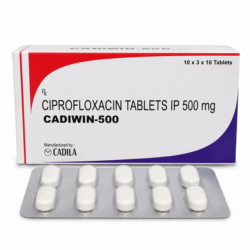
Cadiwin 500 Tablet is a prescription antibiotic medicine containing Ciprofloxacin 500mg as its active ingredient. It belongs to the fluoroquinolone group of antibiotics and is used for the treatment of various bacterial infections. This medicine works by stopping the growth and multiplication of bacteria responsible for infections.
Cadiwin 500 Tablet should only be taken when prescribed by a qualified healthcare professional. Completing the full course of treatment is important to prevent infection recurrence and reduce the risk of antibiotic resistance.
Bacterial infections can affect different parts of the body, including the urinary tract, respiratory system, skin, digestive system, and other tissues. Your doctor will decide whether Cadiwin 500 Tablet is suitable based on the type and severity of infection.
Key Benefits
- Helps treat bacterial infections.
- Contains Ciprofloxacin 500mg, a broad-spectrum antibiotic.
- Stops bacterial growth and spread.
- Helps reduce symptoms associated with bacterial infections when used appropriately.
- Effective against susceptible bacterial strains.
- Available as an easy-to-take oral tablet.
Uses of Tablet
Tablet is used for the treatment of bacterial infections such as:
- Urinary tract infections (UTIs).
- Respiratory tract infections caused by susceptible bacteria.
- Skin and soft tissue infections.
- Gastrointestinal bacterial infections.
- Certain bacterial infections of other body parts as advised by a doctor.
How Does Tablet Work?
Cadiwin 500 Tablet contains Ciprofloxacin, which works by blocking an important bacterial enzyme required for bacterial DNA replication. By interfering with this process, the medicine prevents bacteria from multiplying and helps the body fight the infection.
It works only against bacterial infections and does not treat viral infections such as common cold or flu.
How to Take Tablet?
- Take Cadiwin 500 Tablet exactly as prescribed by your doctor.
- Swallow the tablet whole with water.
- Do not crush or chew the tablet.
- Try to take it at the same time each day.
- Complete the full course even if symptoms improve.
- Avoid stopping the medicine suddenly without medical advice.
Dosage
The dosage and duration of treatment depend on the type of infection, severity of symptoms, kidney function, and response to treatment. Your doctor will decide the appropriate dose for you.
Do not self-medicate or change the dosage without consulting your healthcare provider.
Possible Side Effects of Cadiwin 500 Tablet
Some people may experience side effects while taking Cadiwin 500 Tablet. Common side effects may include:
- Nausea
- Vomiting
- Diarrhea
- Stomach pain
- Indigestion
- Dizziness
- Headache
Contact your doctor immediately if you experience severe allergic reactions, unusual muscle pain, tendon pain, severe diarrhea, or other serious symptoms.
Safety Information and Precautions
- Use Cadiwin 500 Tablet only with a doctor’s prescription.
- Inform your doctor if you have kidney disease, heart problems, or nerve disorders.
- Tell your doctor about all medicines and supplements you are taking.
- Avoid unnecessary exposure to strong sunlight as some people may develop increased sensitivity.
- Do not use antibiotics for viral infections unless advised.
- Complete the prescribed course to reduce antibiotic resistance.
Drug Interactions
Inform your doctor if you are taking:
- Antacids containing aluminium or magnesium.
- Iron or calcium supplements.
- Blood thinners.
- Medicines affecting heart rhythm.
- Other antibiotics or prescription medicines.
Your doctor may adjust timing or dosage to prevent possible interactions.
Contraindications
- Do not use if you are allergic to Ciprofloxacin or other fluoroquinolone antibiotics.
- Consult your doctor before use during pregnancy or breastfeeding.
- Children and adolescents should use this medicine only under medical supervision.
Storage Instructions
- Store below 30°C.
- Keep away from moisture and direct sunlight.
- Store in the original packaging.
- Keep out of reach of children.
Missed Dose
If you miss a dose of Cadiwin 500 Tablet, take it when you remember. If it is almost time for your next dose, skip the missed dose. Do not take two tablets together to make up for a missed dose.
Overdose
Taking more than the prescribed dose may increase the risk of side effects. If you suspect an overdose, contact your doctor or seek immediate medical help.
Key Facts
- Brand: Cadila Pharmaceuticals Ltd
- Generic Name: Ciprofloxacin 500mg
- Drug Class: Fluoroquinolone Antibiotic
- Dosage Form: Tablet
- Use: Treatment of bacterial infections
- Prescription Required: Yes
Frequently Asked Questions
1. What is Cadiwin 500 Tablet used for?
Cadiwin 500 Tablet is used to treat bacterial infections caused by bacteria that are sensitive to Ciprofloxacin.
2. Is Cadiwin 500 Tablet an antibiotic?
Yes, it is a fluoroquinolone antibiotic containing Ciprofloxacin 500mg.
3. Can I stop Cadiwin 500 Tablet when I feel better?
No. Complete the full course prescribed by your doctor to ensure proper treatment.
4. Can Cadiwin 500 Tablet treat viral infections?
No. Antibiotics do not work against viral infections like cold and flu.
5. Can I take Cadiwin 500 Tablet with food?
Follow your doctor’s instructions regarding food and timing of the medicine.
6. Is Cadiwin 500 Tablet safe during pregnancy?
Consult your doctor before using this medicine during pregnancy or breastfeeding.
Disclaimer
The information provided on this page is for educational purposes only and should not replace professional medical advice, diagnosis, or treatment. Cadiwin 500 Tablet is a prescription antibiotic and should be used only under the guidance of a qualified healthcare professional.
Always complete the prescribed antibiotic course and do not use antibiotics without medical advice. Before starting this medicine, inform your doctor about your medical history, allergies, and other medicines you are taking.
Explore more medicines from our
Prescription Medicines
category.
For bacterial infection awareness and antibiotic information, refer to trusted medical resources:
MedlinePlus Antibiotic Information
and
WHO Antimicrobial Resistance Resources.