



Parasitic infections can affect the intestines, skin and other parts of the body. Although some cause mild symptoms, others require careful medical evaluation and targeted treatment. Selecting an appropriate antiparasitic medicine depends on identifying the organism responsible for the infection.
This guide explains Iverheal 6mg Tablet uses, how ivermectin works, possible side effects, dosage considerations, precautions and important safety information.
For product-specific information, visit the Iverheal 6mg Tablet product page on 24x7Pharma.
What Is Iverheal 6mg Tablet?
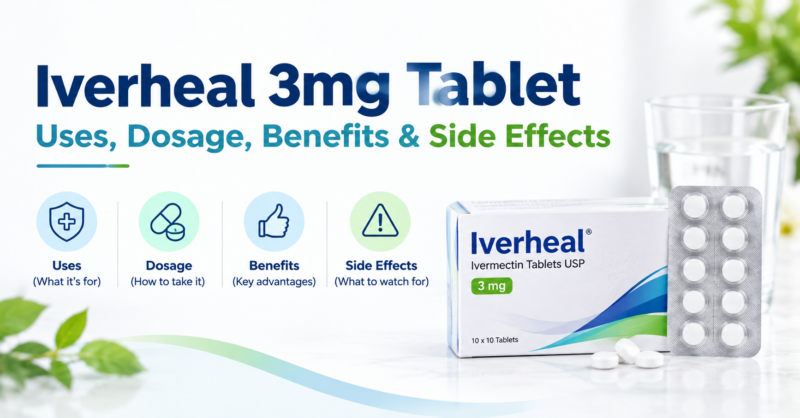
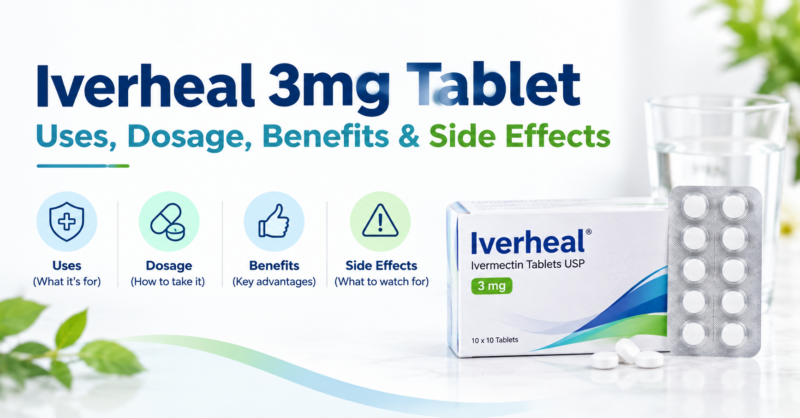
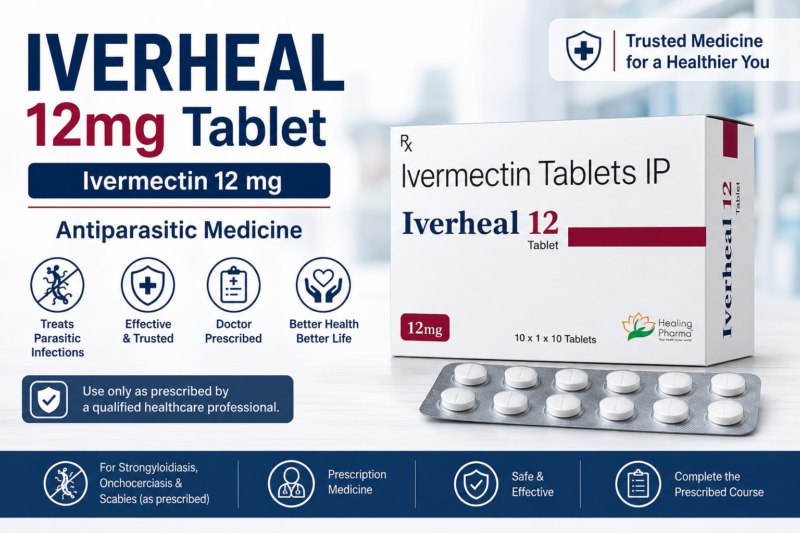
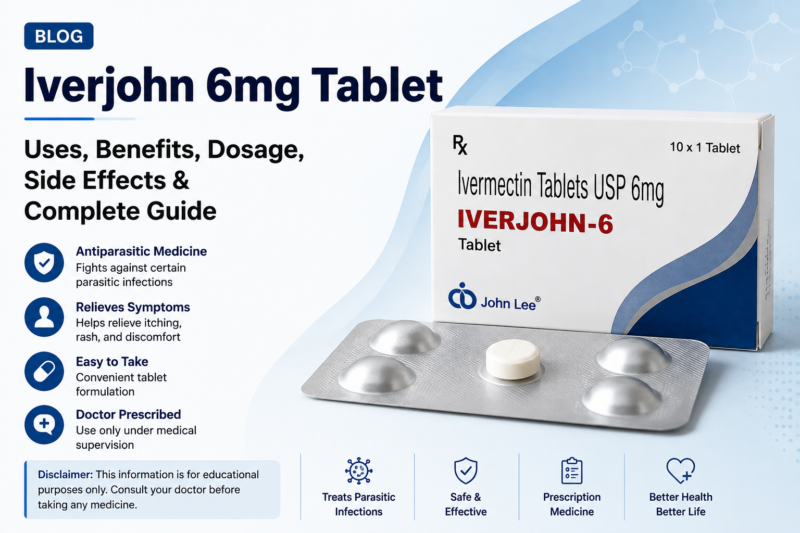
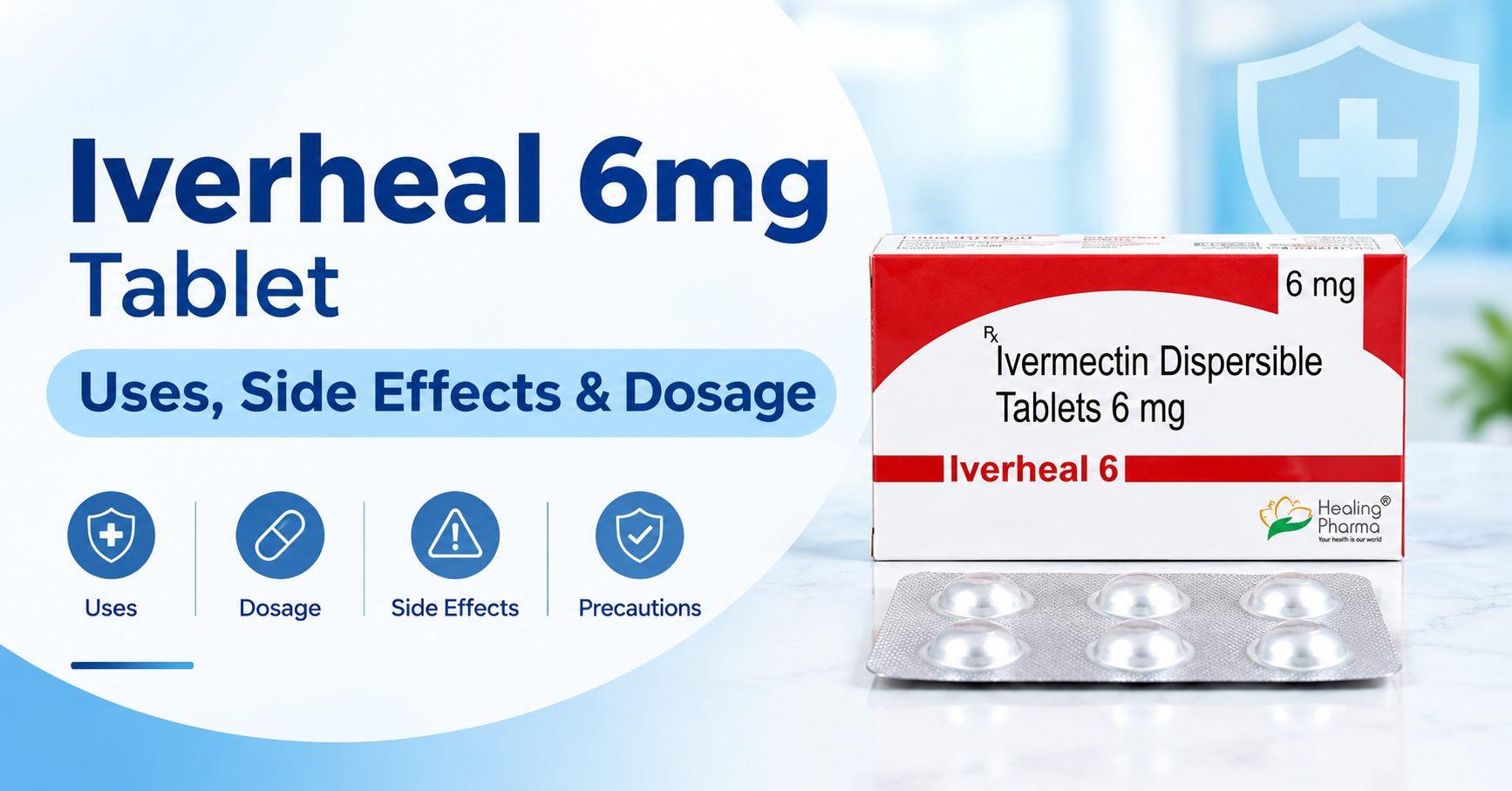
Iverheal 6mg Tablet contains ivermectin, a medicine belonging to the avermectin group of antiparasitic agents. It acts against certain parasites by disrupting their nerve and muscle functions.
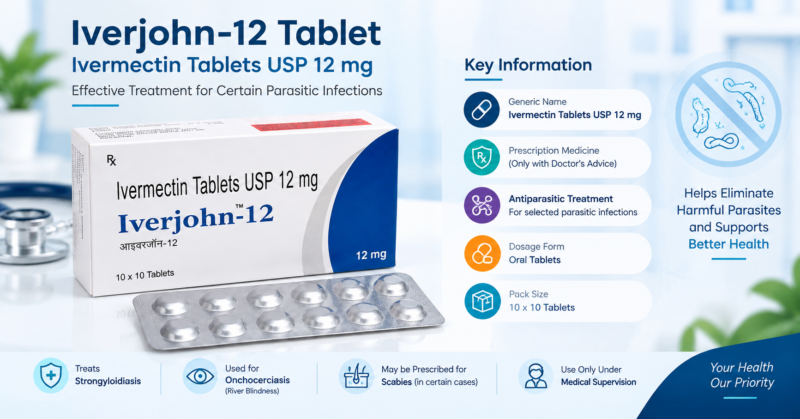
Ivermectin has established medical uses in selected parasitic diseases, including intestinal strongyloidiasis and onchocerciasis. Clinicians also prescribe oral ivermectin for certain cases of scabies according to relevant clinical guidance and local regulatory requirements.
However, ivermectin is not effective against every parasite. It is also not an antibiotic and should not be used to treat ordinary bacterial infections.
Product Overview
| Product detail | Information |
|---|---|
| Medicine | Iverheal 6mg Tablet |
| Active ingredient | Ivermectin |
| Strength | 6 mg |
| Medicine category | Antiparasitic |
| Dosage form | Oral tablet |
| Prescription | Required |
How Does Iverheal 6mg Tablet Work?
Ivermectin acts primarily on specific channels found in the nerve and muscle cells of susceptible invertebrate parasites. These channels are known as glutamate-gated chloride channels.
When ivermectin binds to these channels, it increases their permeability to chloride ions. This interferes with normal nerve signalling, causing paralysis and ultimately the death of susceptible parasites.
The medicine has a selective action because the relevant channels differ from those found in humans. Nevertheless, excessive exposure or certain medical conditions can increase the risk of serious neurological adverse effects.
The clinical response depends on the parasite involved. For example, ivermectin can act against microfilariae in onchocerciasis, but it does not reliably eliminate the adult worms responsible for producing them.
Iverheal 6mg Tablet Uses
The appropriate use of ivermectin depends on a confirmed or strongly suspected parasitic infection. A doctor should evaluate the patient’s symptoms, examination findings and relevant laboratory tests before prescribing treatment.
1. Intestinal Strongyloidiasis
Strongyloidiasis is an infection caused by the parasitic roundworm Strongyloides stercoralis. It can persist for many years because the parasite is capable of reproducing within the human host.
Some infected people have no noticeable symptoms. Others experience abdominal discomfort, diarrhoea, skin symptoms or other digestive complaints.
In patients with weakened immune systems, strongyloidiasis can sometimes develop into a life-threatening disseminated infection. Early identification and appropriate treatment are particularly important in these circumstances.
Ivermectin is an established treatment option for intestinal strongyloidiasis. The prescribed regimen depends on the patient’s condition and applicable clinical guidance.
2. Onchocerciasis
Onchocerciasis, sometimes called river blindness, is caused by the parasitic worm Onchocerca volvulus. The infection is transmitted through the bites of infected blackflies.
It can cause itching, skin changes and potentially serious eye complications.
Ivermectin reduces the number of microfilariae, which are immature forms of the parasite. This can help manage symptoms and reduce the risk of complications.
However, treatment does not reliably kill adult worms. Follow-up treatment and specialist assessment may therefore be necessary.
3. Scabies
Scabies is a contagious skin infestation caused by the mite Sarcoptes scabiei. It commonly produces intense itching, particularly at night, along with a rash or small burrows in the skin.
Oral ivermectin may be prescribed for selected cases of scabies. Its use depends on clinical guidance and local regulatory approval. In the United States, oral ivermectin is not FDA-approved specifically for scabies.
Scabies treatment may also involve topical medicines such as permethrin. The healthcare professional chooses the treatment based on the patient’s circumstances.
Read the CDC clinical guidance on scabies treatment for additional information.
4. Other Parasitic Conditions
Specialists sometimes use ivermectin for other parasitic conditions when supported by appropriate evidence and clinical guidelines.
However, an ivermectin prescription for one infection does not establish that the medicine is suitable for another. The organism, treatment regimen and patient’s medical history must all be considered.
Potential Benefits of Ivermectin Treatment
Targeted Antiparasitic Activity
Ivermectin interferes with essential neurological functions in susceptible parasites. This mechanism makes it useful in treating specific infections for which its effectiveness has been established.
Oral Administration
Tablet formulations provide an oral treatment option for suitable patients. However, the required number of tablets and treatment schedule depend on the infection and the patient’s body weight.
Established Clinical Applications
Ivermectin has a documented role in managing strongyloidiasis and onchocerciasis. It also has a place in clinical guidance for selected cases of scabies.
Its usefulness should not be interpreted as evidence that it treats unrelated viral, bacterial or inflammatory conditions.
Iverheal 6mg Tablet Dosage and Administration
The dose of ivermectin is generally calculated according to body weight and the condition being treated. Therefore, a 6 mg tablet does not represent a universal dose for every patient.
The prescriber considers several factors:
- The type of parasitic infection.
- The patient’s body weight and age.
- Pregnancy or breastfeeding status.
- Existing medical conditions.
- Other medicines and possible interactions.
- Whether follow-up treatment is necessary.
Patients should follow the exact prescription and the instructions supplied with their particular product.
Should Ivermectin Be Taken With Food?
Food instructions can differ according to the indication and treatment protocol. Standard prescribing information for certain intestinal parasitic infections recommends taking ivermectin on an empty stomach with water.
However, some scabies treatment guidelines recommend administration with food to improve absorption. Follow the instructions given by the prescribing clinician rather than applying one rule to every condition.
What if a Dose Is Missed?
Contact your doctor or pharmacist if you miss a prescribed dose. The appropriate next step depends on the treatment schedule and the infection being treated.
Do not take an additional dose to compensate without medical advice.
What Happens in an Overdose?
Excessive ivermectin exposure can cause serious adverse effects, including neurological symptoms, impaired coordination, confusion and altered consciousness.
Seek urgent medical attention if an overdose is suspected. Do not wait for symptoms to develop.
Iverheal 6mg Tablet Side Effects
Like other prescription medicines, ivermectin can cause side effects. Their frequency and severity may vary according to the infection being treated, the patient’s condition and the treatment regimen.
Possible Side Effects
- Nausea or abdominal discomfort.
- Diarrhoea.
- Dizziness.
- Headache.
- Temporary weakness or fatigue.
- Skin itching or rash.
Some reactions experienced during treatment result from the body’s inflammatory response to dying parasites rather than from the medicine alone.
Serious Side Effects
Seek urgent medical attention if you experience seizures, severe confusion, fainting, loss of consciousness or difficulty breathing.
Severe skin reactions and serious neurological adverse effects have also been reported with ivermectin. Although uncommon, they require prompt medical evaluation.
Reactions During Onchocerciasis Treatment
Patients receiving ivermectin for onchocerciasis may develop inflammatory reactions associated with the death of microfilariae. These are sometimes called Mazzotti-type reactions.
Symptoms may include itching, rash, fever, swelling, joint discomfort and changes in blood pressure.
Patients with certain coexisting parasitic infections, particularly heavy Loa loa infection, may face additional risks. Specialist assessment is important when relevant travel or residence history suggests possible exposure.
Important Precautions Before Taking Iverheal 6mg
Allergic Reactions
Tell your healthcare professional if you have previously experienced an allergic reaction to ivermectin or another ingredient in the tablet.
Pregnancy
There are limitations in the available human pregnancy safety data. A clinician must evaluate whether treatment is necessary and assess the potential risks and benefits.
Pregnant patients should not self-medicate with ivermectin.
Breastfeeding
Ivermectin can pass into breast milk in small amounts. The prescribing clinician should consider the need for treatment and any relevant risks to the infant.
Children
The safety of ivermectin in children weighing less than 15 kg has not been adequately established for certain uses. A paediatric specialist should determine the appropriate treatment.
Liver Disease
Tell your doctor about existing liver problems. The clinician may need to review the treatment plan and monitor the patient’s condition.
Neurological Conditions
Patients with neurological disorders or a history of seizures should disclose this information before treatment.
Drug Interactions
Provide your doctor with a complete list of prescription medicines, over-the-counter products and supplements.
Particular attention may be necessary when ivermectin is prescribed alongside medicines that affect blood clotting or central nervous system function.
Patients taking warfarin should inform their prescriber because changes in anticoagulation measurements have been reported during ivermectin treatment.
Never combine antiparasitic medicines independently.
Iverheal 6mg and Scabies Prevention
Medication is only one part of managing scabies. Preventing reinfestation and transmission is also important.
Healthcare professionals may recommend evaluating close household contacts and treating affected individuals according to the relevant clinical guidance.
Clothing, bedding and towels used during the relevant period may require washing and drying at appropriate temperatures. Items that cannot be washed can be isolated according to public-health recommendations.
Itching may continue for several weeks after successful treatment because the skin’s inflammatory response can persist even after the mites have been eliminated.
However, new burrows, a worsening rash or persistent symptoms may require reassessment.
For practical prevention advice, see the CDC recommendations for scabies treatment and prevention.
Can Ivermectin Treat COVID-19?
Ivermectin should not be used to prevent or treat COVID-19 outside an appropriately authorised clinical context. Laboratory findings do not establish clinical effectiveness in people.
Patients should follow evidence-based treatment recommendations and consult qualified healthcare professionals.
Storage and Handling
Store Iverheal 6mg Tablet according to the conditions printed on the original packaging. Keep the medicine in its original container and protect it from unsuitable environmental conditions.
Keep all prescription medicines out of the reach of children and pets.
Do not use tablets after their expiry date or if the packaging appears damaged.
Frequently Asked Questions About Iverheal 6mg Tablet
1. What is Iverheal 6mg Tablet used for?
It contains ivermectin, an antiparasitic medicine used for selected infections such as strongyloidiasis and onchocerciasis. Doctors may also prescribe oral ivermectin for certain cases of scabies.
2. What is the active ingredient?
The active ingredient is ivermectin 6 mg.
3. Is Iverheal 6mg an antibiotic?
No. Ivermectin is an antiparasitic medicine, not an antibacterial antibiotic.
4. Can it be used for scabies?
Doctors may prescribe oral ivermectin for selected scabies cases according to clinical guidelines and local regulatory requirements.
5. Can I take it every day?
Only if your prescriber has specifically instructed you to follow such a regimen. Treatment schedules vary by infection.
6. Does ivermectin kill all parasites?
No. It works against certain susceptible parasites and is not suitable for every parasitic disease.
7. How is the dose determined?
The prescribing doctor considers body weight, the infection being treated and other patient-specific factors.
8. Can pregnant women take it?
Pregnant patients should use ivermectin only after an appropriate medical assessment of potential benefits and risks.
9. Is it safe for children?
Suitability depends on the child’s weight, age and diagnosis. Safety in children weighing less than 15 kg has not been adequately established for certain indications.
10. What are the possible side effects?
Possible side effects include nausea, diarrhoea, dizziness, headache and skin reactions. Serious neurological reactions can also occur.
11. Can I take ivermectin with food?
Food instructions depend on the treatment indication and the prescribing clinician’s directions.
12. Can it prevent COVID-19?
Ivermectin is not recommended for routine COVID-19 prevention or treatment.
13. What should I do if I miss a dose?
Contact your prescriber or pharmacist for instructions based on your treatment schedule.
14. What if I experience severe dizziness?
Seek medical advice promptly. Severe dizziness accompanied by fainting, confusion or other serious symptoms requires urgent assessment.
15. Can scabies itching continue after treatment?
Yes. Itching can persist for several weeks after successful treatment. New or worsening symptoms should be assessed by a healthcare professional.
16. Can I share my tablets with a family member?
No. Other people may need a different medicine or treatment regimen, even if they have similar symptoms.
17. Is ivermectin suitable for all intestinal worms?
No. Different intestinal parasites require different treatments. Accurate diagnosis is important.
18. Where can I find Iverheal 6mg product information?
Visit the Iverheal 6mg Tablet listing on 24x7Pharma.
Conclusion
Iverheal 6mg Tablet contains ivermectin, an established antiparasitic medicine used for selected infections. Its effectiveness and safety depend on the diagnosis, the prescribed treatment regimen and individual patient factors.
Patients should follow their healthcare professional’s instructions, report unexpected symptoms and avoid using ivermectin for conditions without an established medical indication.
Medical References
- DailyMed: Ivermectin Prescribing Information
- CDC: Clinical Care of Scabies
- CDC: Scabies Treatment and Prevention
Medical disclaimer: This article is intended for educational purposes only. It does not replace professional medical advice, diagnosis or treatment. Ivermectin is a prescription medicine and should only be used under the supervision of a qualified healthcare professional. Confirm the locally approved product information before treatment.