


Understanding how ivermectin works is important because different parasitic infections require different treatment approaches. This guide explains its established uses, important safety considerations and the questions patients should discuss with their healthcare provider.
What Is Iverjohn 3mg Tablet?
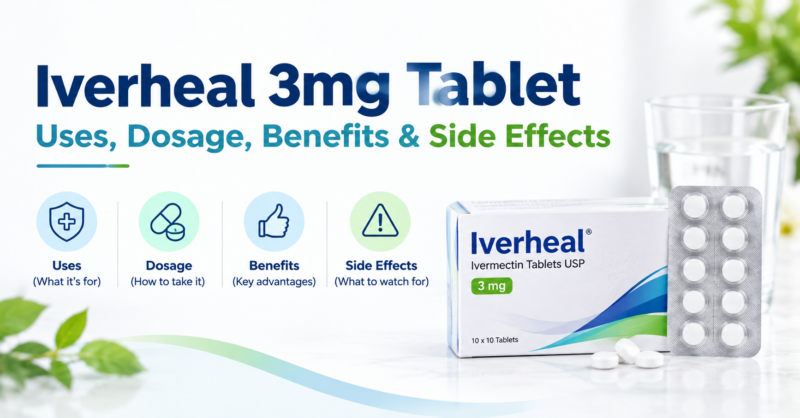
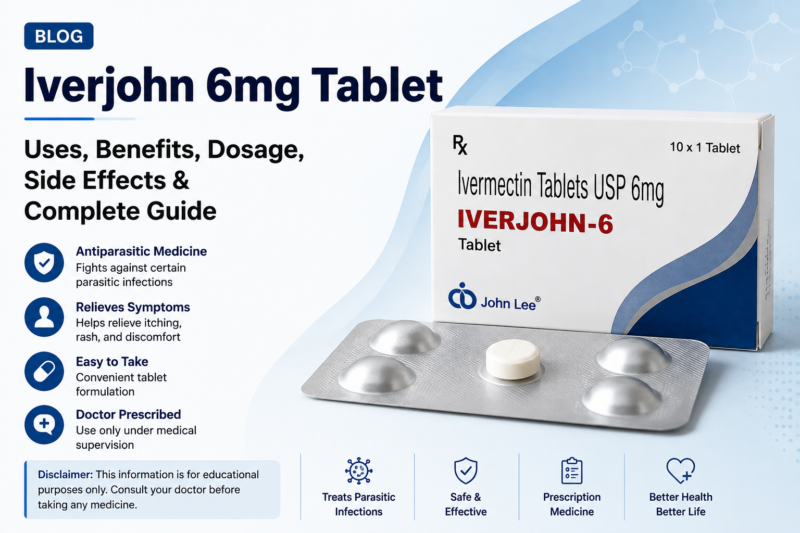
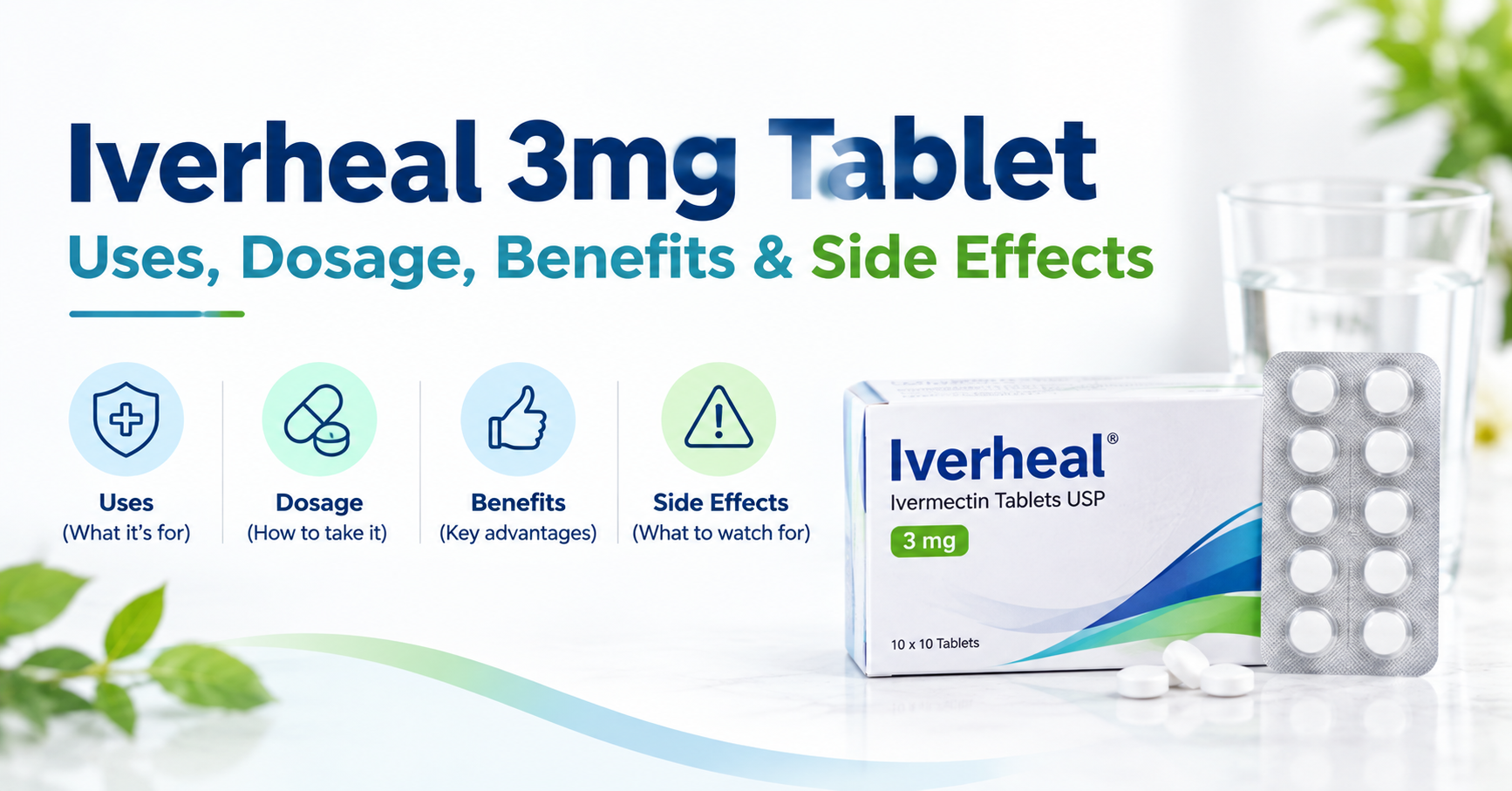
Iverjohn 3mg Tablet is a product listed by 24x7Pharma. Ivermectin belongs to a group of medicines known as antiparasitic agents.
Oral ivermectin has established uses in treating intestinal strongyloidiasis and onchocerciasis. Healthcare professionals may also prescribe it for certain other parasitic conditions where appropriate.
However, the presence of 3mg in a product name describes tablet strength. It does not mean that one tablet is the correct dose for every patient.
Iverjohn 3mg Tablet Uses
1. Intestinal Strongyloidiasis
Strongyloidiasis is an infection caused by the parasitic roundworm Strongyloides stercoralis. The parasite can survive in the human body for prolonged periods. Some infected individuals experience abdominal discomfort, diarrhoea or skin symptoms, while others have no obvious symptoms.
Ivermectin is an established treatment for intestinal strongyloidiasis. Patients may require follow-up examinations to confirm that the infection has cleared.
2. Onchocerciasis
Onchocerciasis, sometimes called river blindness, is caused by the parasite Onchocerca volvulus. It can affect the skin and eyes.
Ivermectin reduces the number of immature parasites known as microfilariae. However, it does not eliminate adult Onchocerca worms, so patients may require repeated treatment and specialist follow-up.
3. Scabies in Selected Patients
Scabies is a contagious skin infestation caused by microscopic mites. It commonly produces intense itching, particularly at night, and may cause a characteristic rash.
Doctors sometimes prescribe oral ivermectin for scabies. The decision depends on the patient’s condition, treatment history and other clinical factors.
According to CDC clinical guidance on scabies treatment, oral ivermectin is an option for certain patients, although it is not FDA-approved for scabies in the United States.
How Does Ivermectin Work?
Ivermectin acts on specific channels in susceptible parasites’ nerve and muscle cells. This disrupts normal nerve signalling, leading to paralysis and, ultimately, the elimination of susceptible parasites.
Its effectiveness depends on the species of parasite. Ivermectin is not a universal treatment for every worm infection or skin condition.
Iverjohn 3mg Tablet Dosage and Administration
The appropriate ivermectin dose depends on body weight, the diagnosed infection and the prescribed treatment regimen. Some infections require a single administration, while others may require repeat treatment or follow-up testing.
Patients should follow their prescription rather than calculating a dose from online information. Instructions about taking ivermectin with food may differ according to the condition being treated. Follow the prescribing clinician’s directions.
What If You Miss a Dose?
If you miss a prescribed dose, contact your healthcare professional or pharmacist for advice. Do not take a double dose to compensate for a missed tablet.
What Happens If You Take Too Much?
An ivermectin overdose may cause serious symptoms, including vomiting, dizziness, low blood pressure, confusion or neurological complications. Seek urgent medical attention if an overdose is suspected.
Possible Side Effects of Iverjohn 3mg Tablet
Not everyone experiences side effects. Reported reactions to oral ivermectin include:
- Dizziness or light-headedness
- Nausea or vomiting
- Diarrhoea or abdominal discomfort
- Skin itching or rash
- Fatigue or drowsiness
Some reactions may result from the body’s inflammatory response to dying parasites rather than the medicine alone.
Seek urgent medical attention for breathing difficulties, facial swelling, seizures, severe confusion or loss of consciousness.
Important Precautions Before Taking Ivermectin
Pregnancy and Breastfeeding
Tell your doctor if you are pregnant, planning a pregnancy or breastfeeding. The available safety evidence and the balance of potential benefits and risks depend on the condition being treated.
Children
Children require individual assessment. Safety data are limited for oral ivermectin in children weighing less than 15kg, and it should not be given without specialist medical advice.
Liver Disease and Other Medical Conditions
Inform your prescriber about liver disease, neurological conditions, previous allergic reactions and any other significant medical history.
Drug Interactions
Tell your healthcare professional about all prescription medicines, over-the-counter products and supplements you take. Certain medicines, including anticoagulants such as warfarin, may require particular attention.
Is Ivermectin Used for COVID-19?
The US FDA has not approved or authorised ivermectin for preventing or treating COVID-19. Available clinical trial evidence has not demonstrated effectiveness for this purpose.
Read the FDA’s ivermectin safety information for further details. Never use veterinary ivermectin products in humans.
Frequently Asked Questions
What is Iverjohn 3mg Tablet used for?
Ivermectin tablets are used for certain parasitic infections, including intestinal strongyloidiasis and onchocerciasis. Other uses require a clinician’s assessment.
Can I take ivermectin every day?
Do not take ivermectin daily unless your healthcare professional has specifically prescribed that regimen.
Can ivermectin treat every parasitic infection?
No. Different parasites respond to different medicines. An accurate diagnosis is essential.
Is ivermectin safe during pregnancy?
Pregnant patients should seek medical advice before taking ivermectin because safety information is limited and treatment decisions require individual assessment.
Can itching continue after scabies treatment?
Yes. Itching may continue for several weeks even after successful treatment. However, new burrows, new rashes or persistent symptoms may require reassessment.
Where can I find information about Iverjohn 3mg Tablet?
Visit the Iverjohn 3mg Tablet product page for product information. Confirm the medicine’s suitability and prescribed dose with a qualified healthcare professional.
Medical References
- DailyMed: Ivermectin Prescribing Information
- CDC: Clinical Care of Scabies
- FDA: Ivermectin Safety Information
Medical Disclaimer: This article provides general educational information and does not replace professional medical advice, diagnosis or treatment. Use prescription medicines only as directed by a qualified healthcare professional.